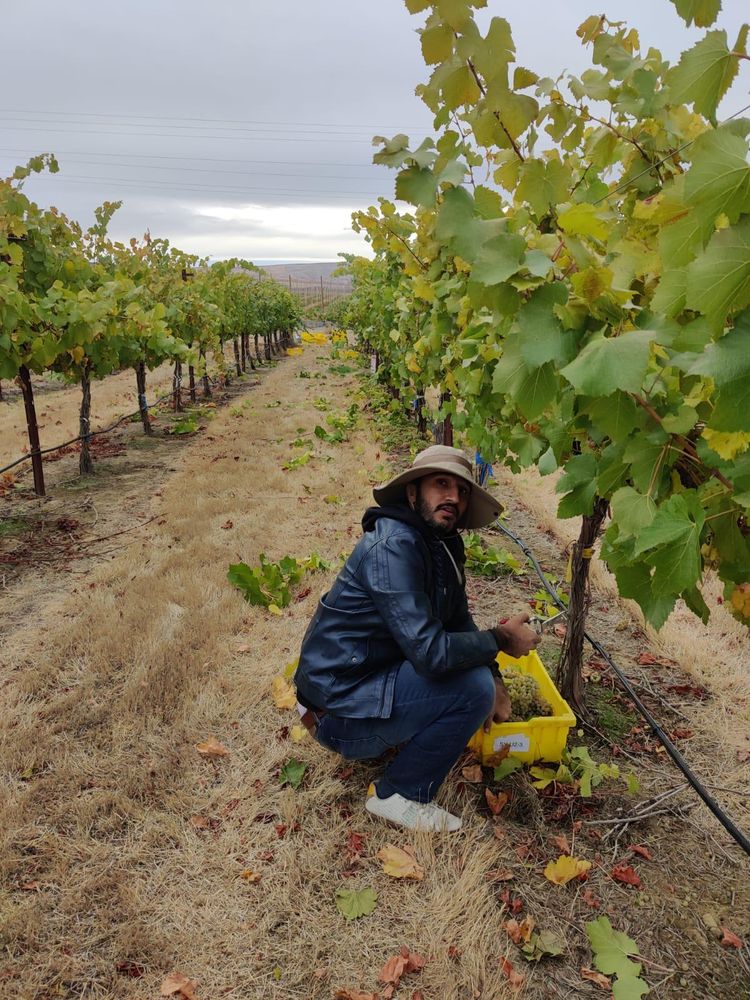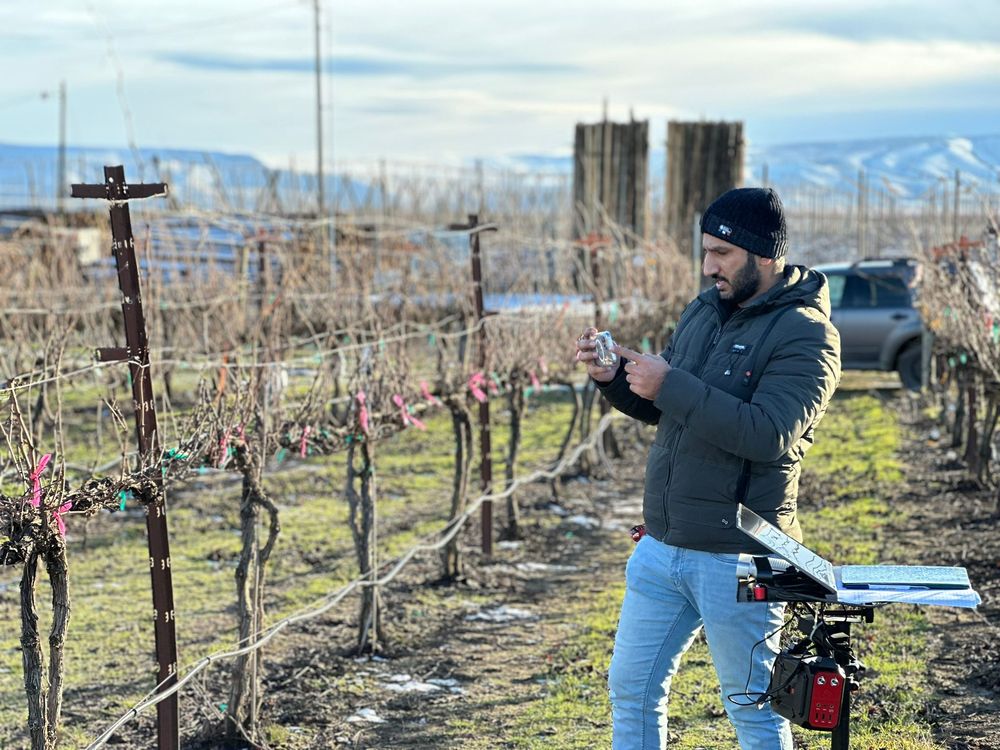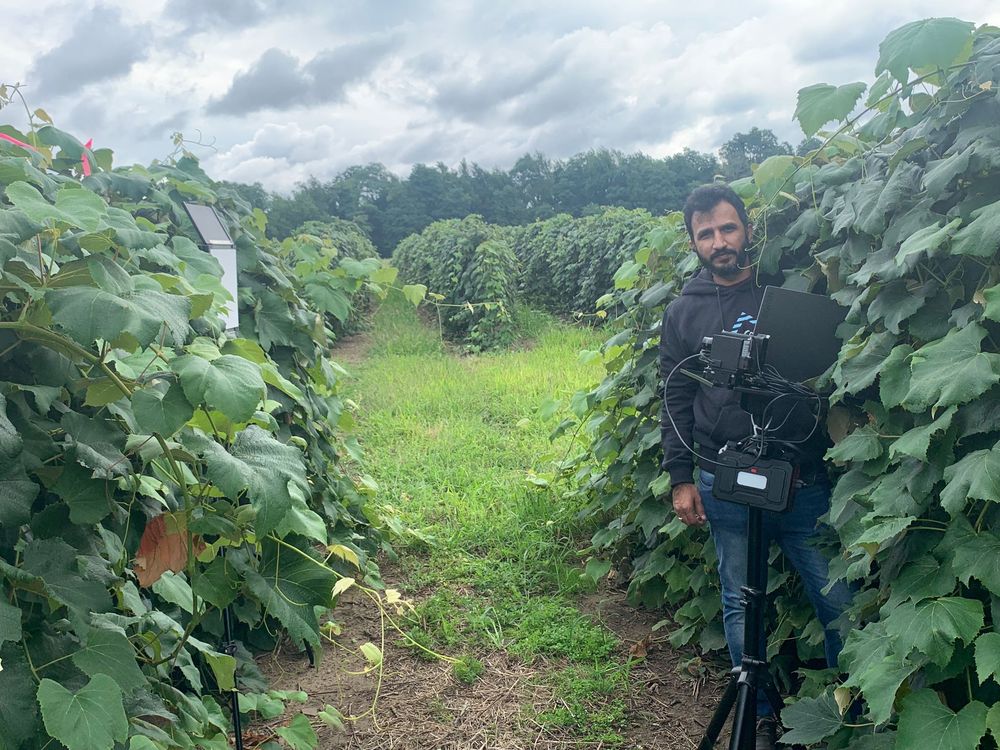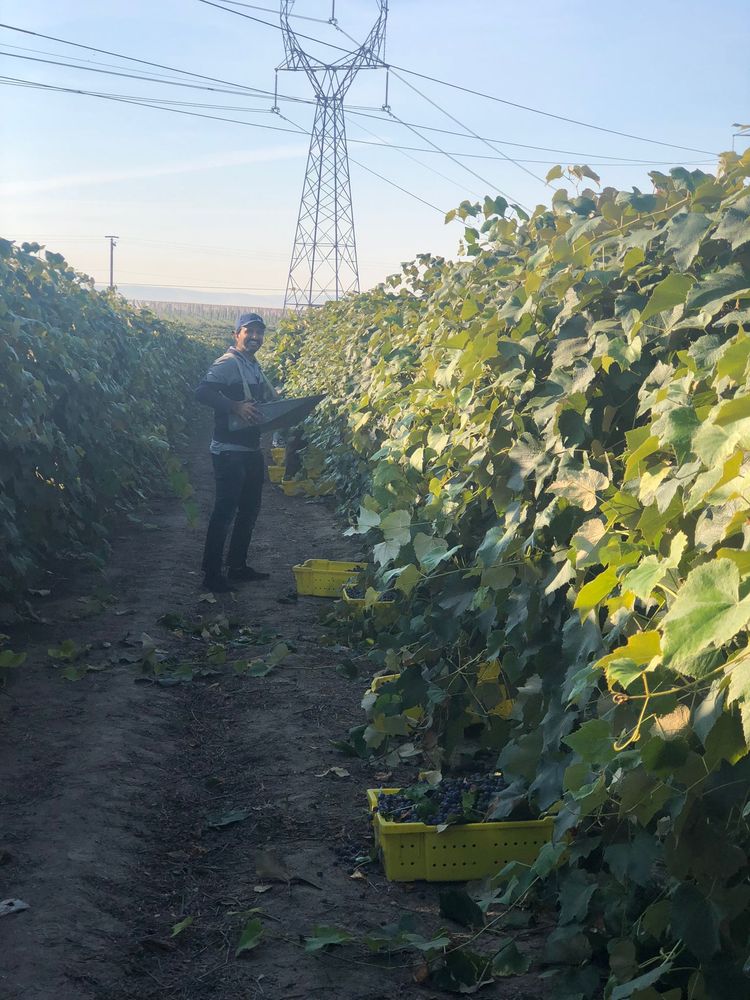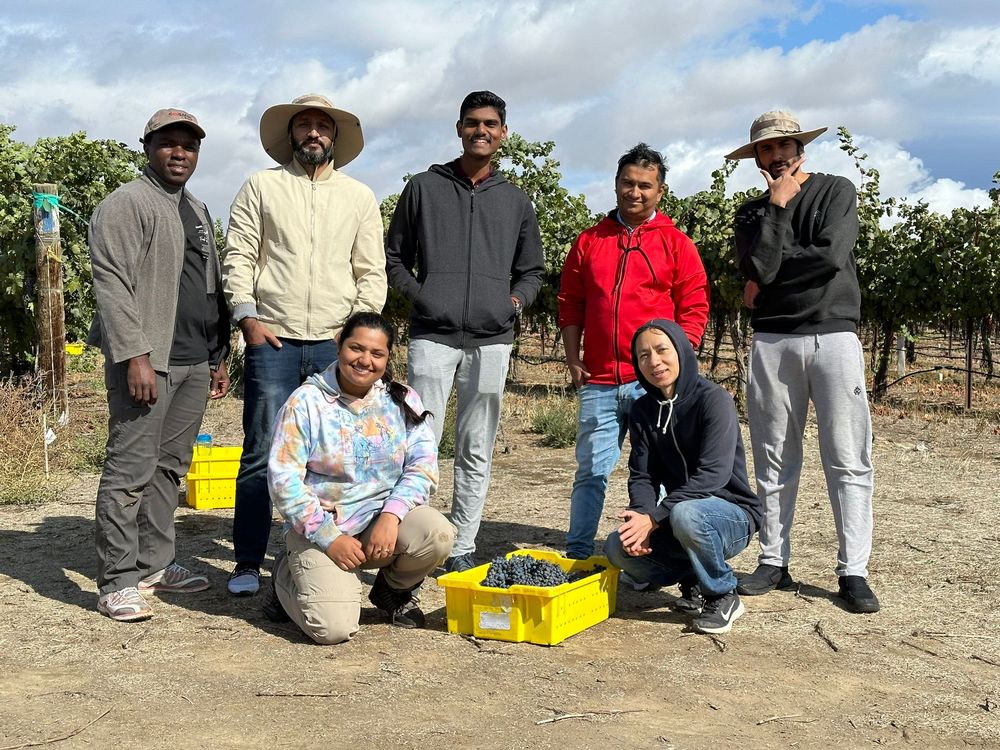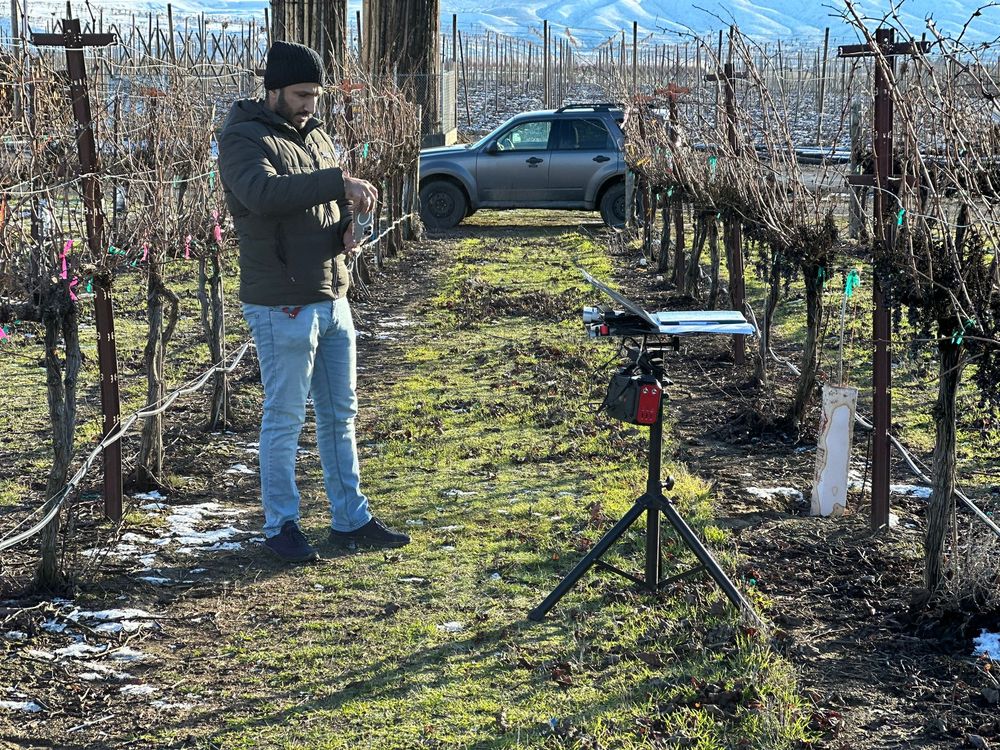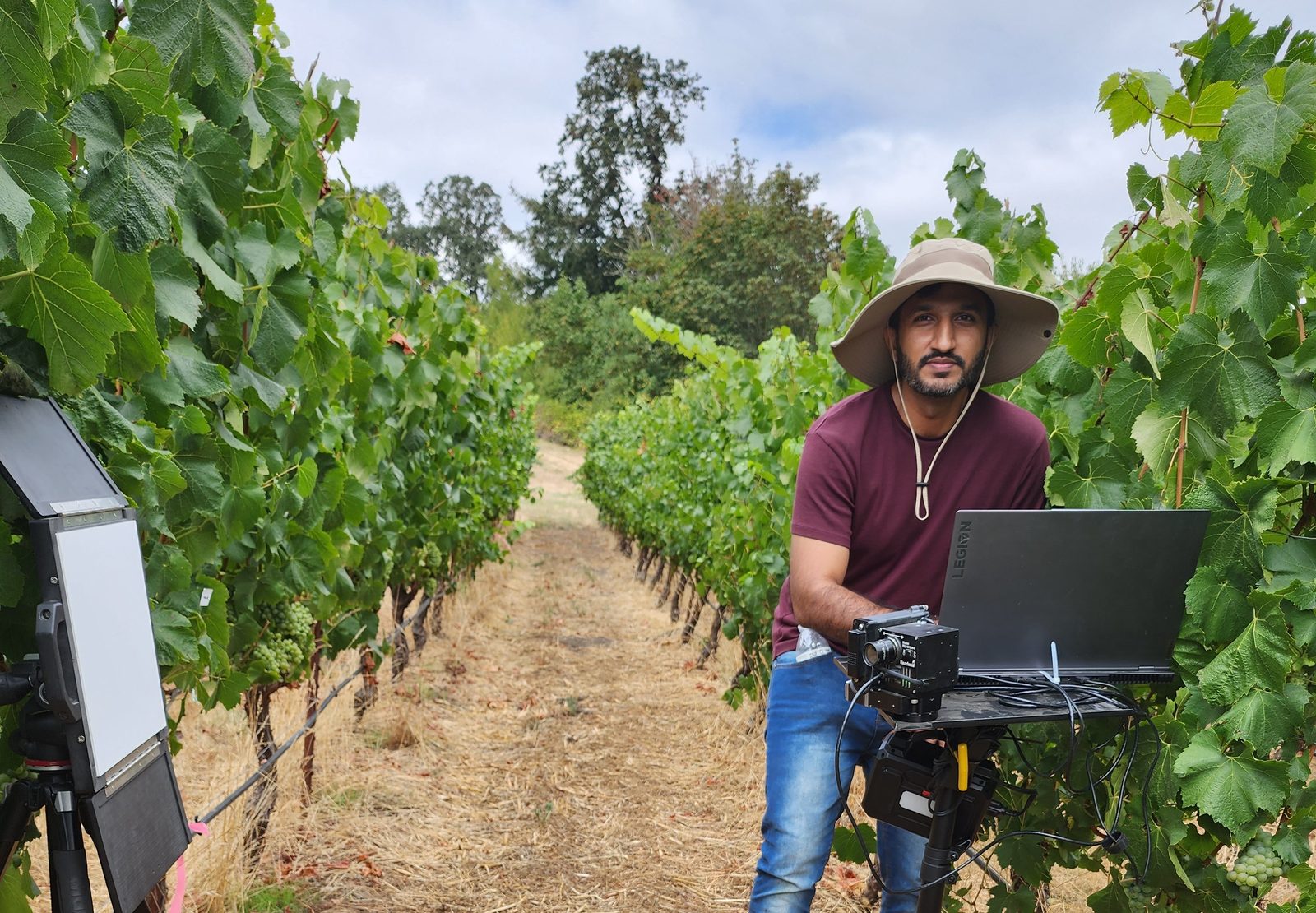
Atif Bilal Asad operating a hyperspectral imaging rig in a vineyard

AI & Computer Vision · Field Sensing to Decision · Precision Agriculture

Hello, I'm Atif.

I develop machine learning and computer vision systems that read crops the way an agronomist would — non-destructively, in the field. My research turns hyperspectral and 3-D imagery into vine- and tree-level decisions on nutrition, yield, and fruit quality, advancing precision agriculture from field to table.
View research Get in touch
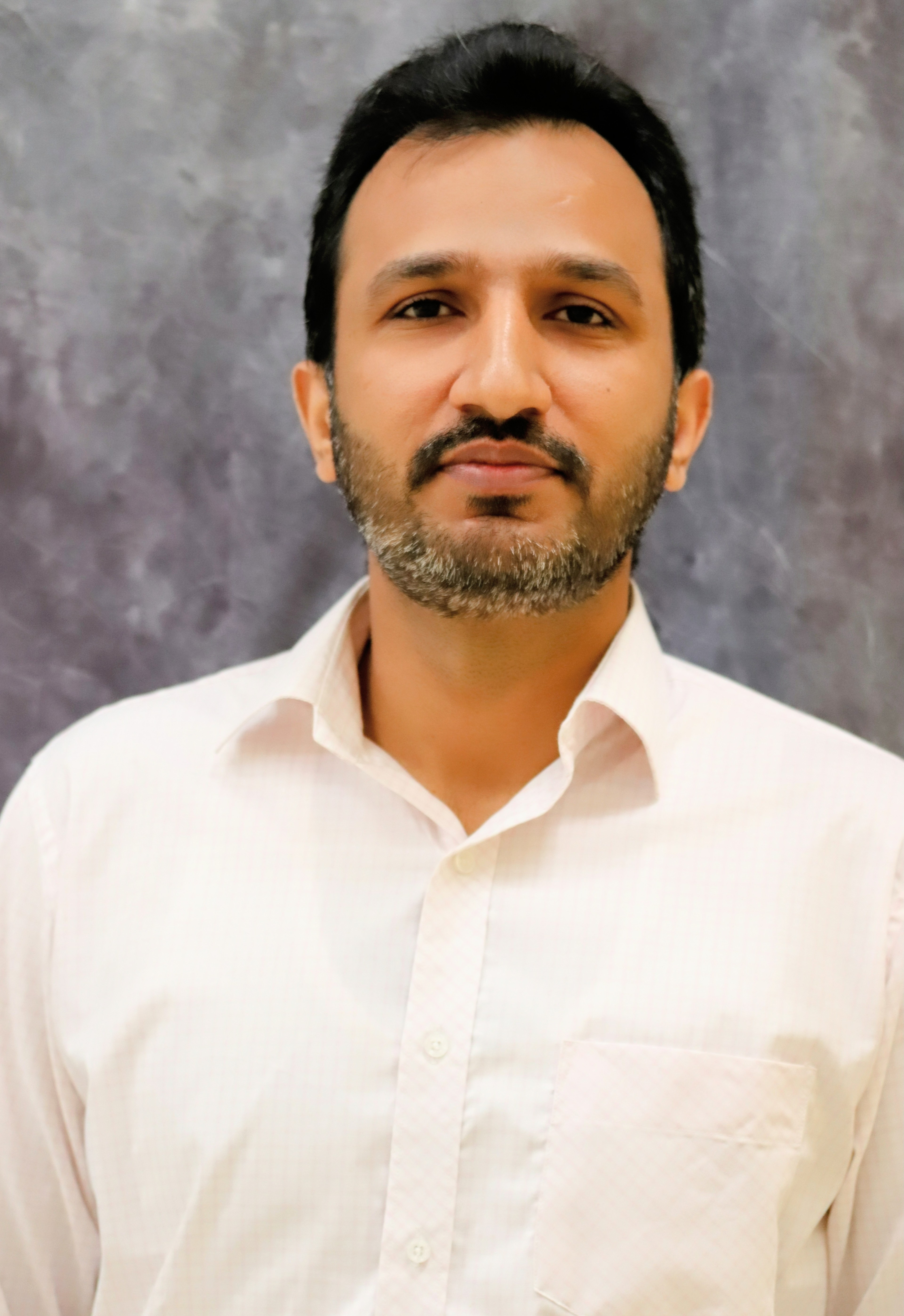
Portrait of Atif Bilal Asad

About

Ph.D. candidate turning spectra into decisions in the field.

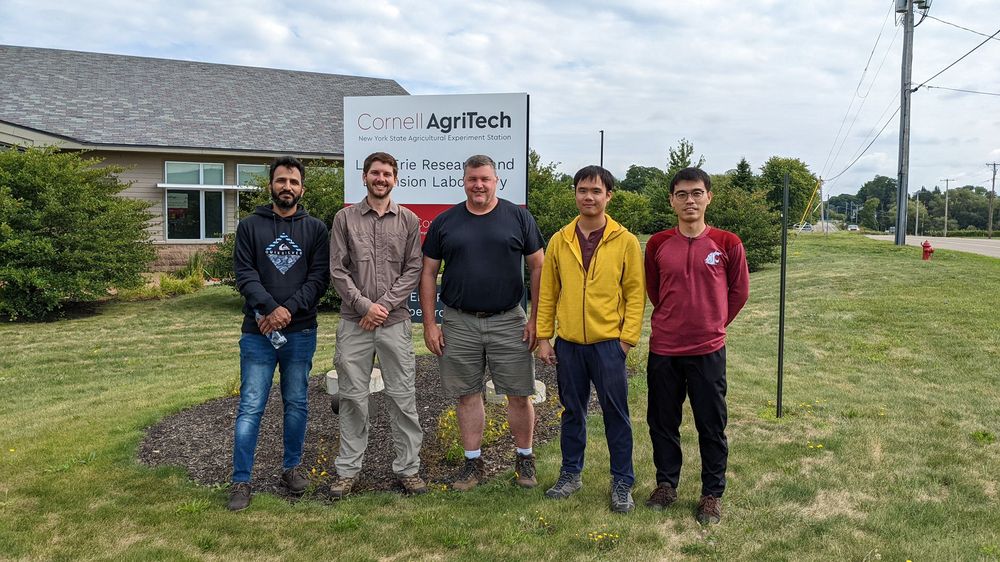
I'm a Ph.D. candidate in Biological & Environmental Engineering at Cornell University, advised by Prof. Manoj Karkee. My dissertation builds in-field hyperspectral sensing systems that generate vine-level nutrient maps without cutting a single leaf.

Before Cornell I spent three years as a Graduate Research Assistant at Washington State University and two more as a Farm Operations Engineer in Pakistan. I'm a member of ASABE and PSAE, an FAA Part 107 UAS pilot, and I'm based in Ithaca, NY.

Research

From sensor to field decision.

Breaking the work into focused projects — each one instruments something unmeasured, then turns the reading into an action in the field.

In-field hyperspectral nutrient assessment
In-field Hyperspectral Nutrient Assessment for Grapevines
Atif Bilal Asad, Dawood Ahmed, Nataliya Shcherbatyuk, Manoj Karkee, Markus Keller

Modeling grapevine macro- and micronutrient status at leaf and canopy scales from ground-based, in-field VNIR hyperspectral imaging — pairing feature selection and machine learning with a convolutional-transformer for simultaneous multi-nutrient prediction, contextualized by growth stage.

Hyperspectral imagingGrapevine leavesMacro- & micronutrientsLeaf & canopy scaleVNIR 400–1000 nmMachine learningConvolutional-TransformerMulti-nutrient predictionPrecision viticulture
Precision Weed Automation — Herbicide-resistance Detection
Asad, A. B.

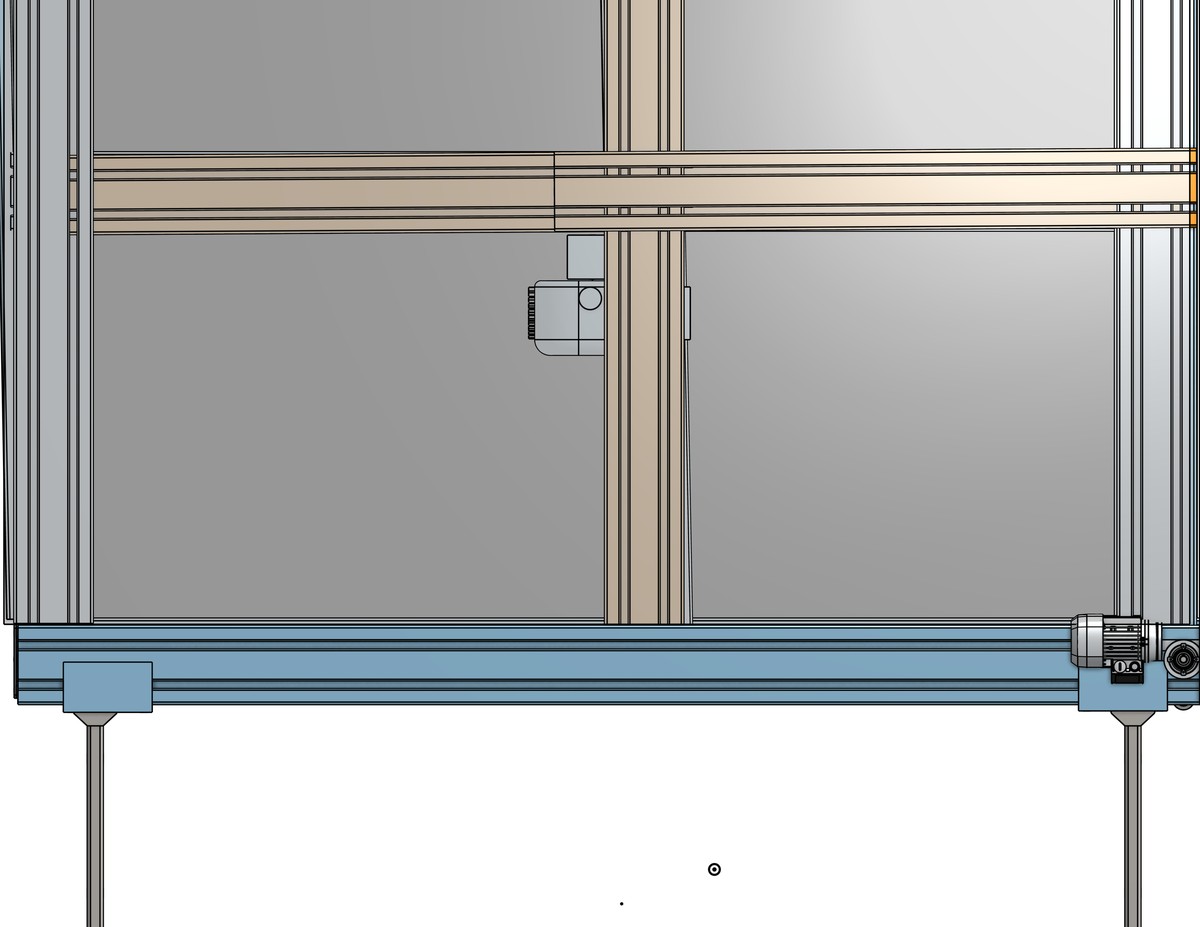
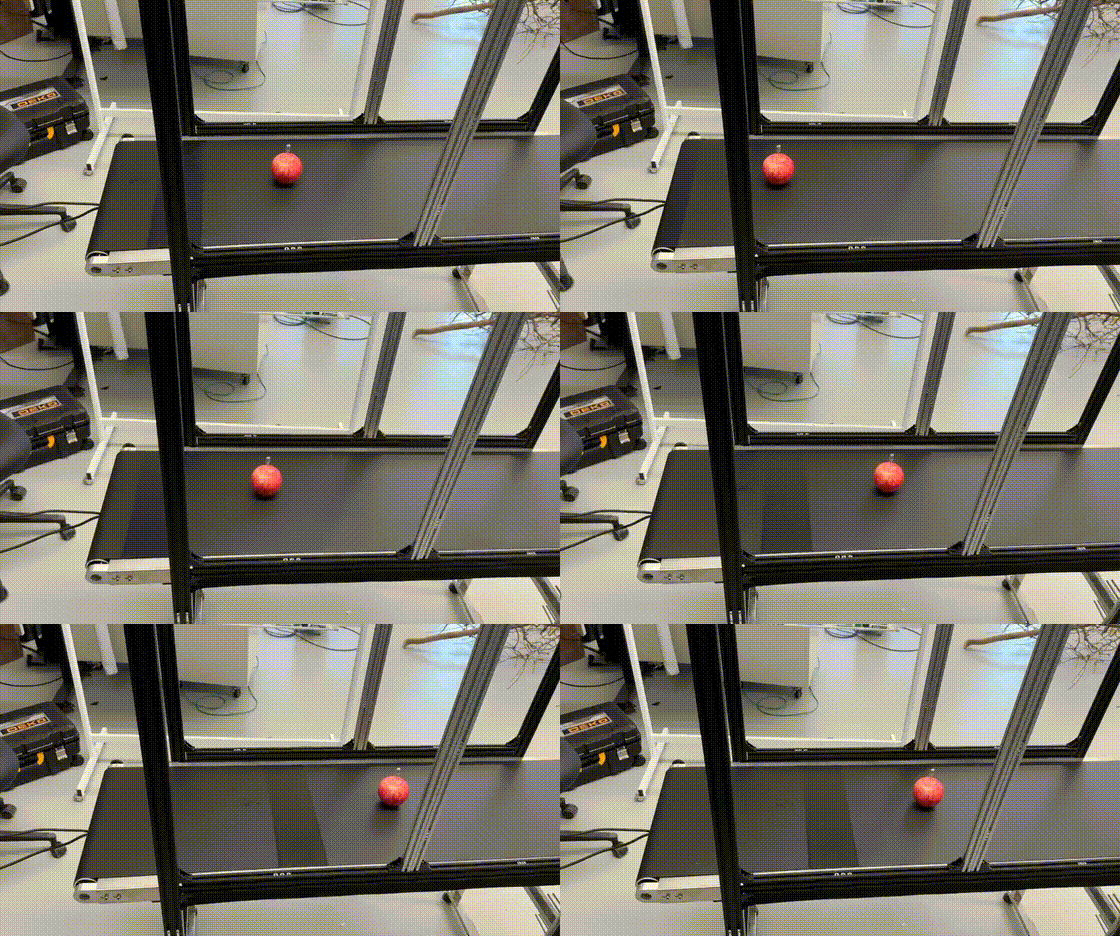
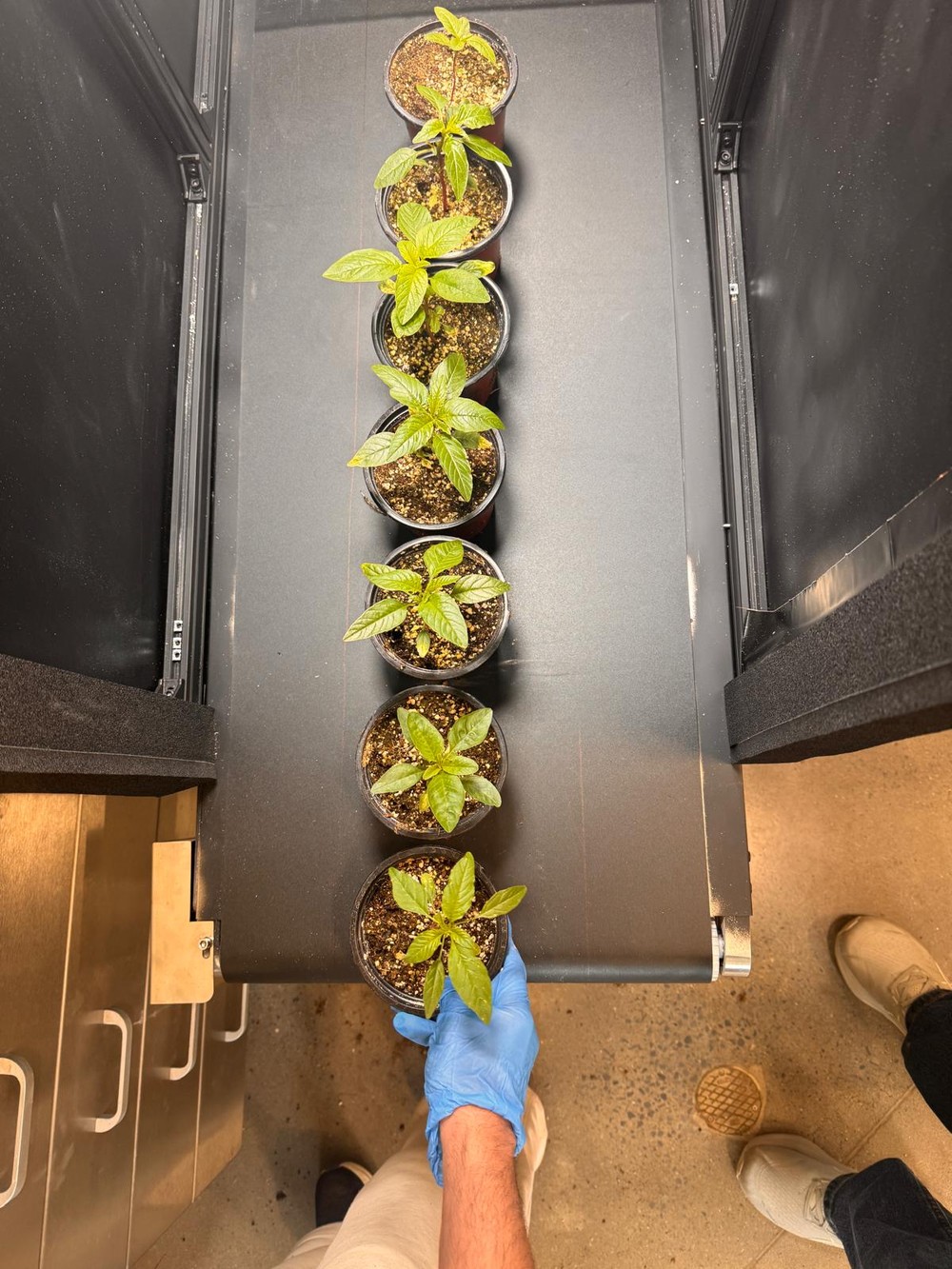
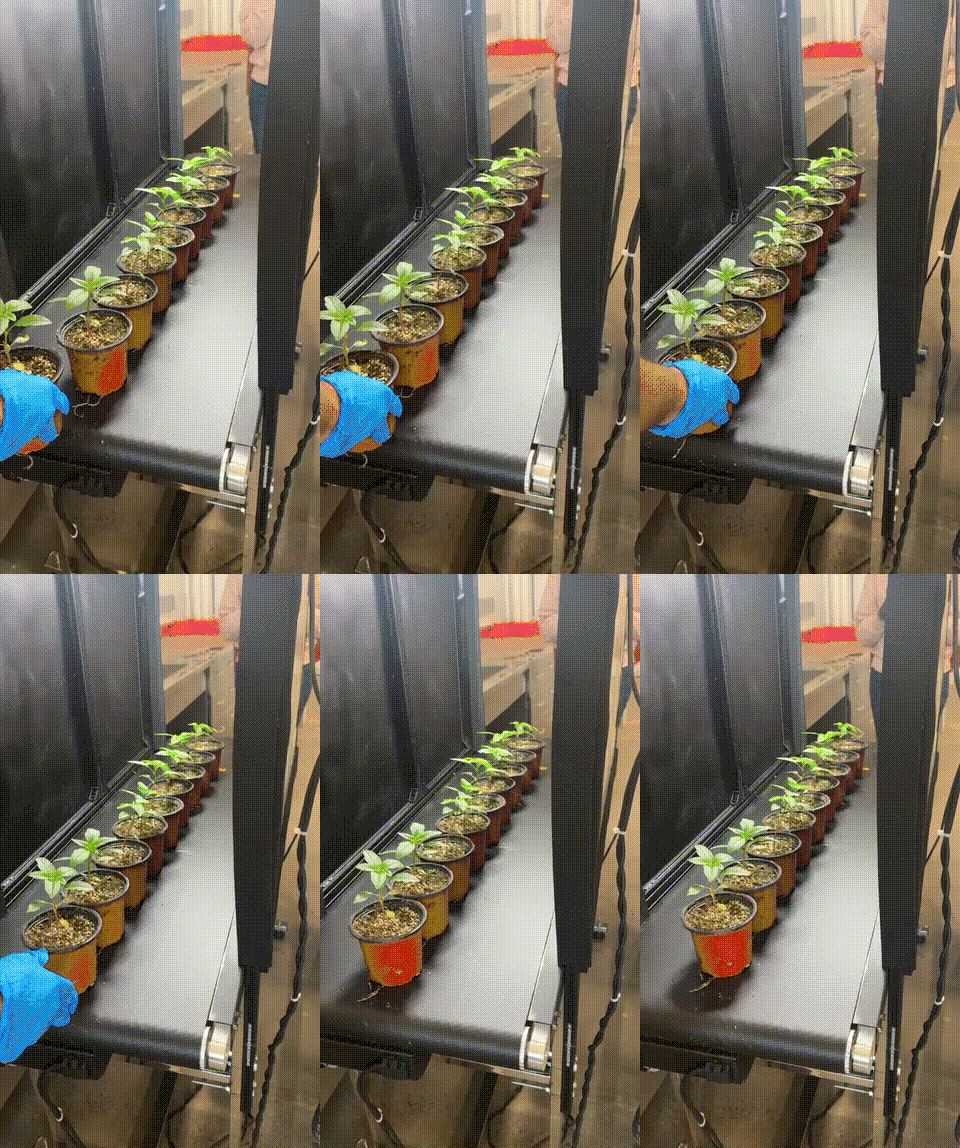
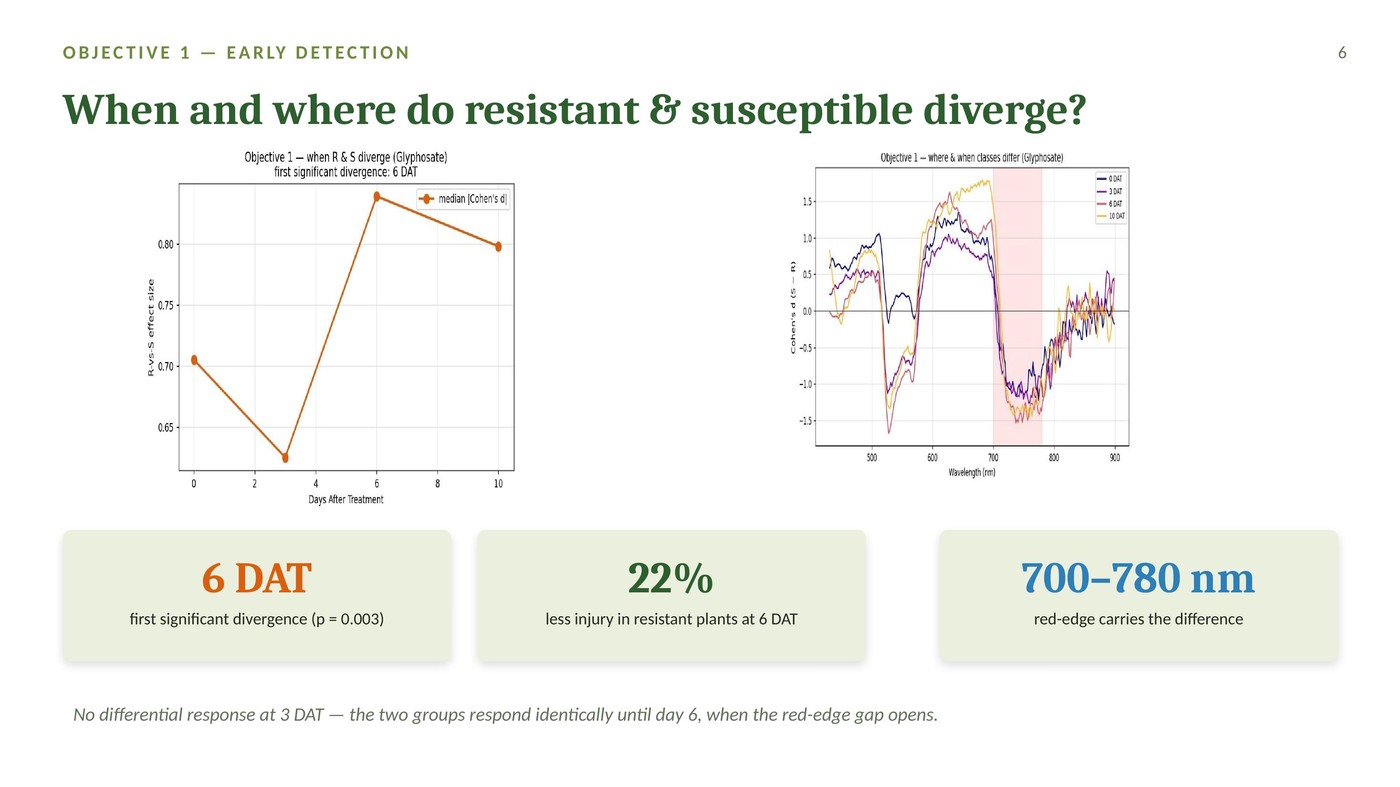
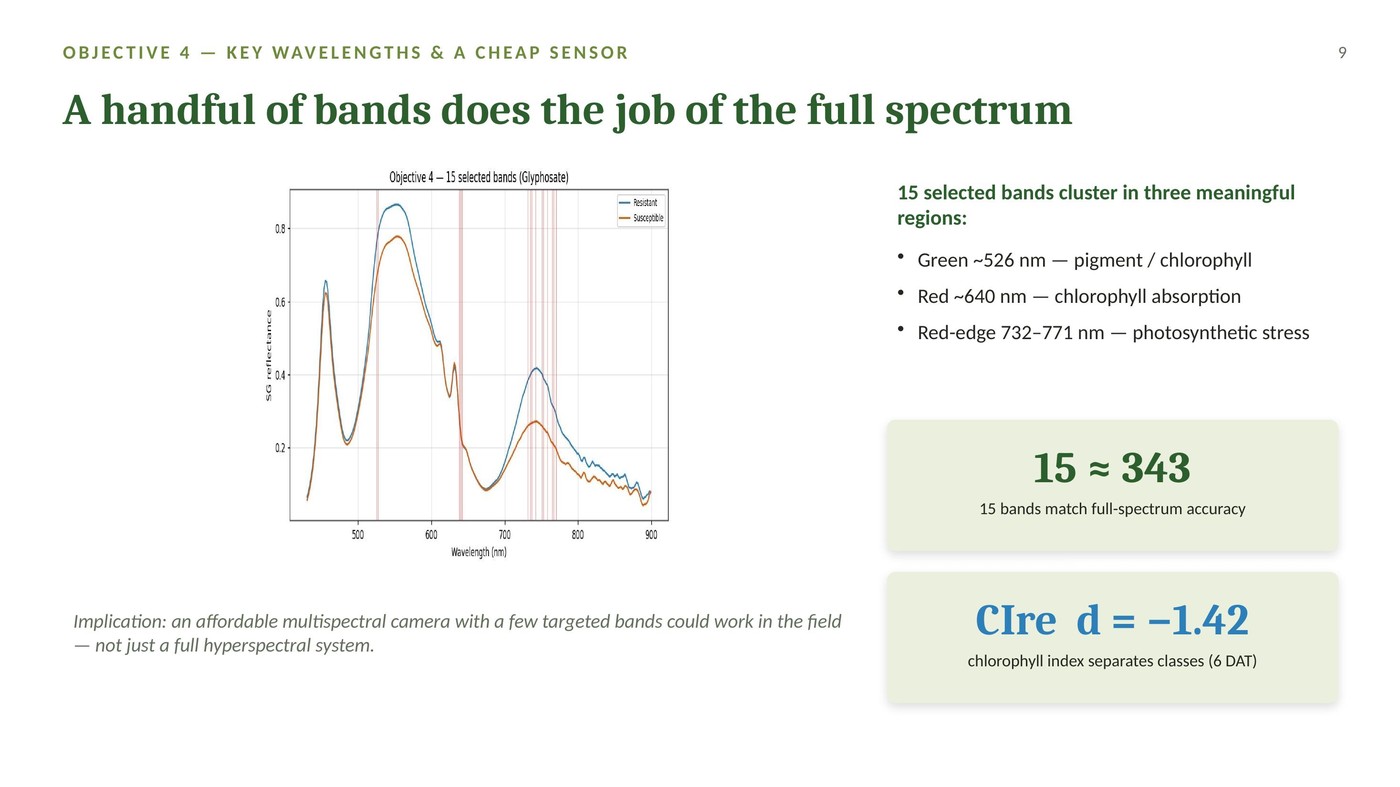
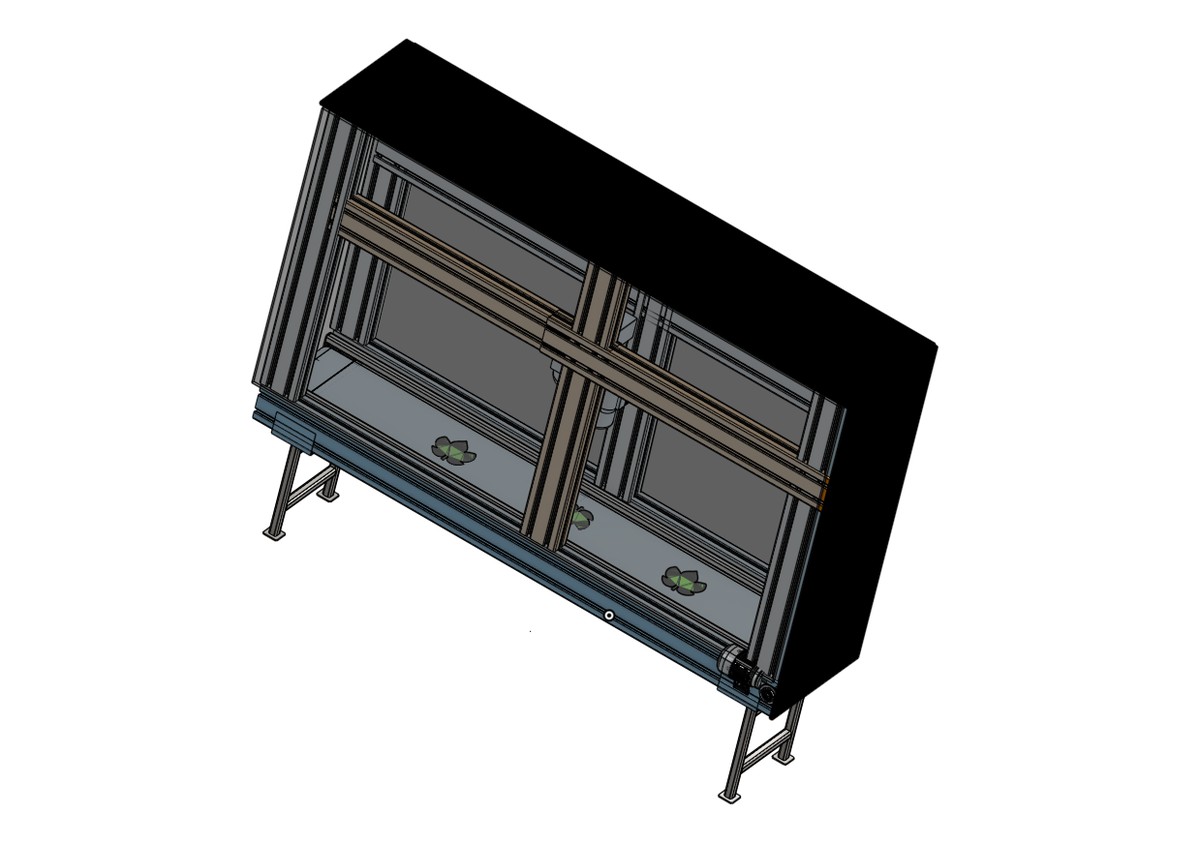
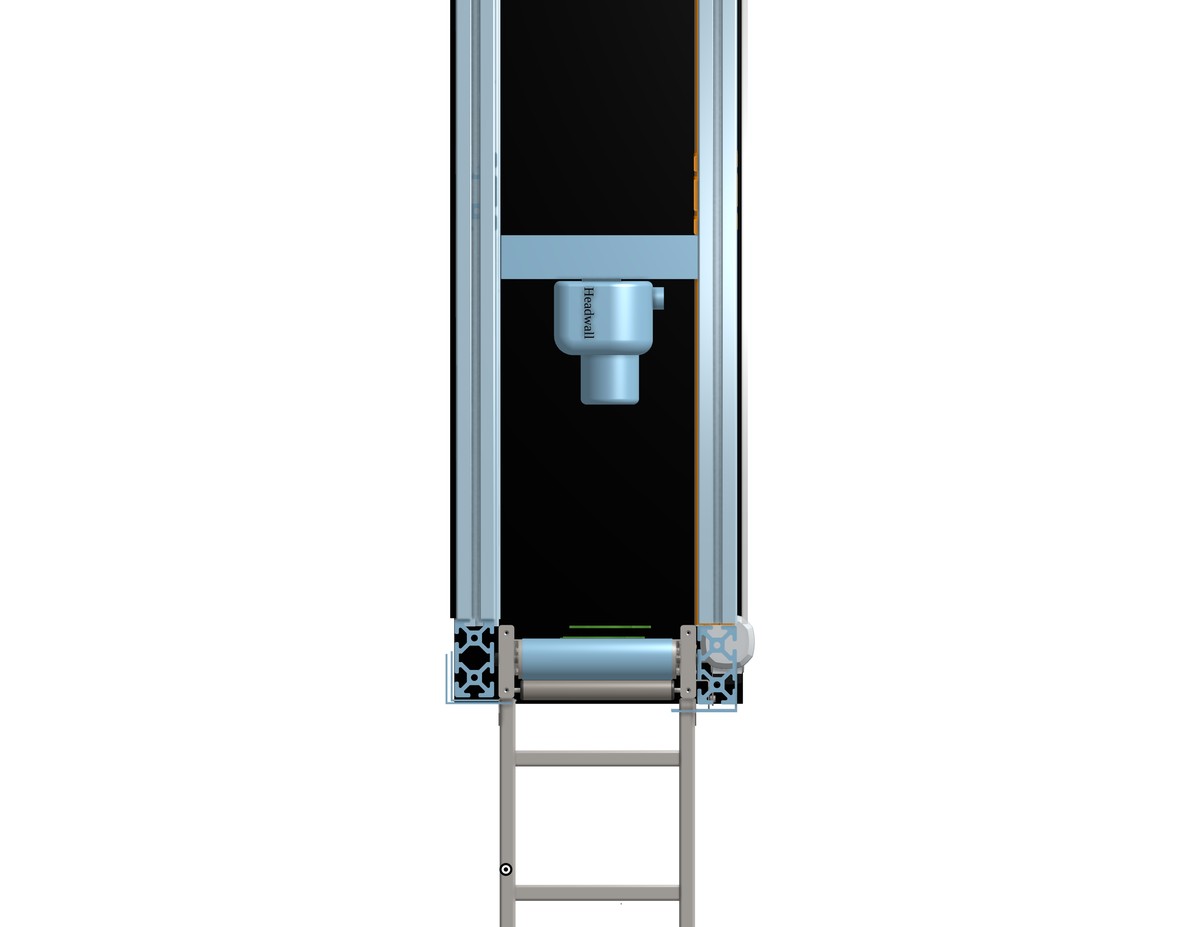
A motorized hyperspectral rig scans potted waterhemp on a conveyor beneath a Headwall Nano-Hyperspec push-broom sensor (400–1000 nm) — the same camera platform used across the vineyard work, repointed at a weed-management question: can spectral imaging catch herbicide resistance before it becomes visible? Two populations, Hunter (glyphosate-resistant) and Nebraska (glyphosate-susceptible), were sprayed and imaged across five timepoints (0, 3, 6, 10, and 14 days after treatment), comparing each plant back to its own baseline to isolate the spray response from built-in biotype differences. Resistance became spectrally separable at 6 days after treatment, not before, with a 22% injury gap concentrated in the red edge (700–780 nm). Plant-validated LDA and SVM classifiers (split by plant, never by pixel) reached about 73% held-out accuracy, climbing to 81% by day 10, and a stepwise-selected 15-band subset — clustered in the green, red, and red-edge regions — matched full 343-band accuracy, pointing toward a low-cost multispectral field sensor.
Hyperspectral imagingHerbicide resistanceWaterhemp (Amaranthus tuberculatus)Time-resolved spectral responseGlyphosate injury signatureRed-edge detection (700–780 nm)LDA & SVM classification15-band low-cost sensorMotorized imaging platformPrecision weed management
Segmentation of Grapevine Leaves in Hyperspectral Imagery
Asad, A. B.

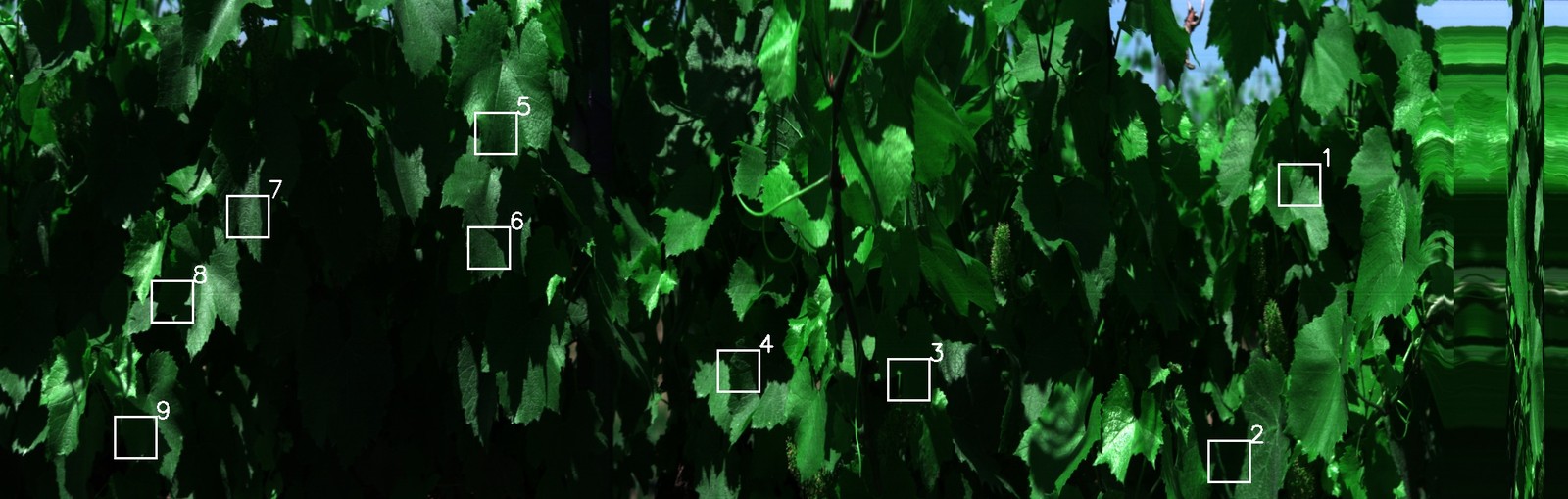
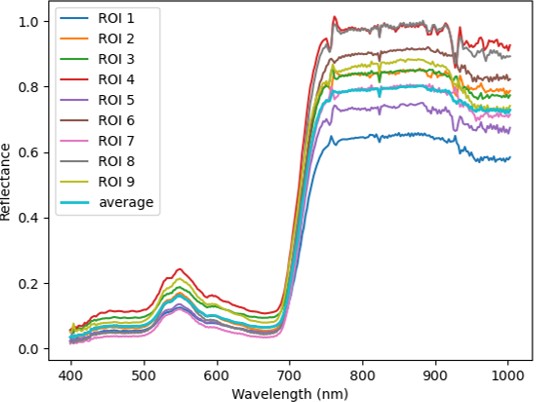
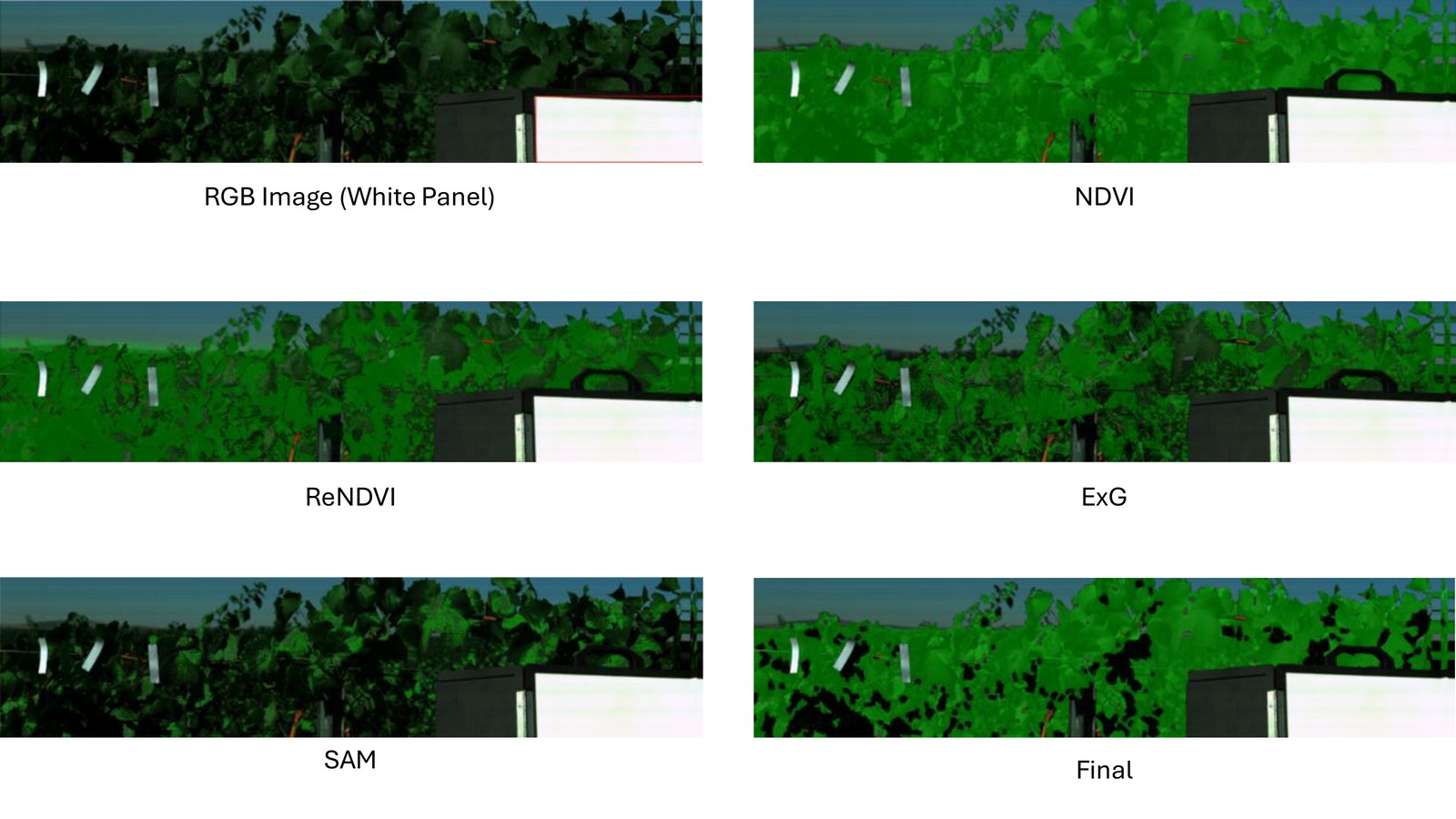
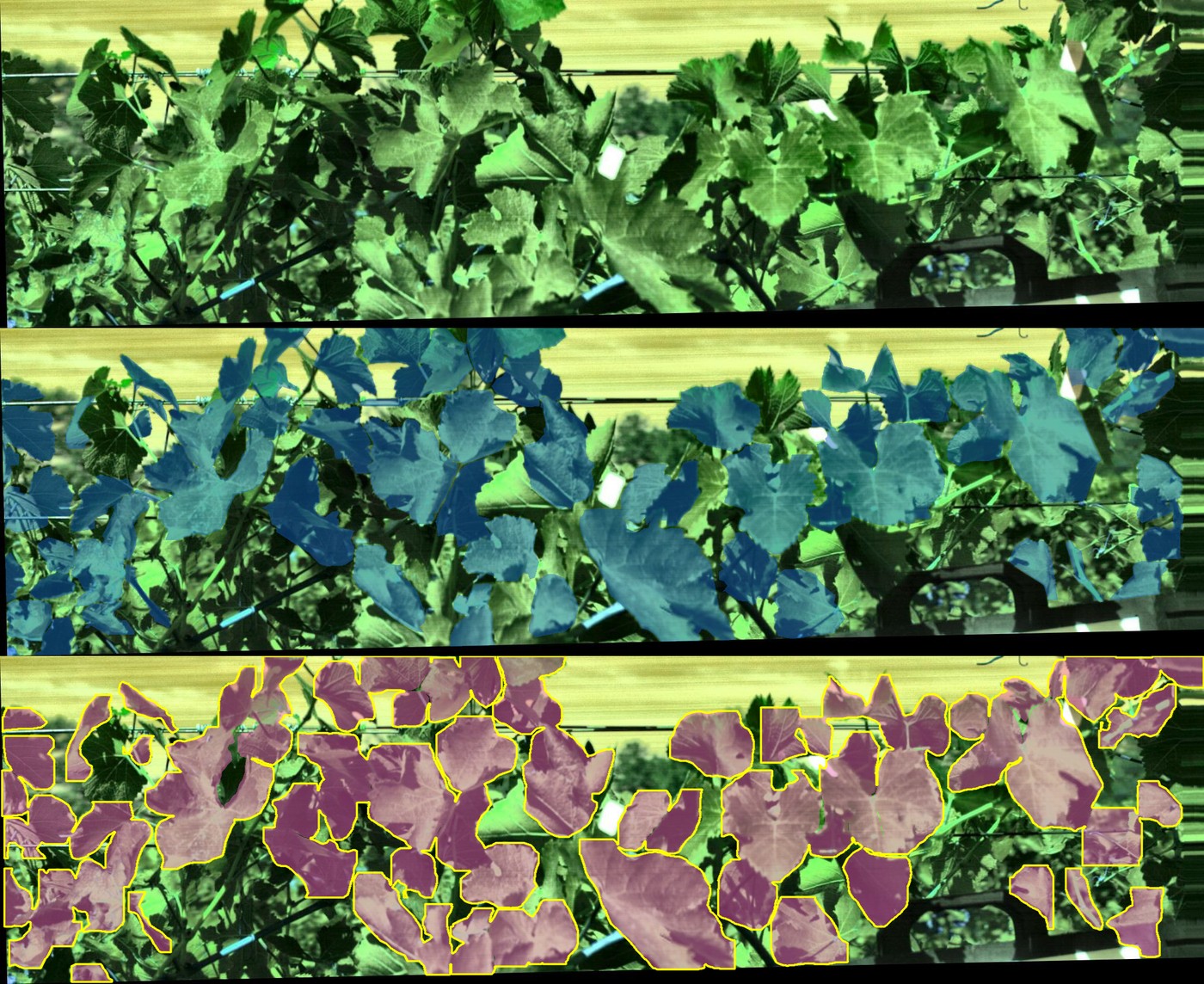
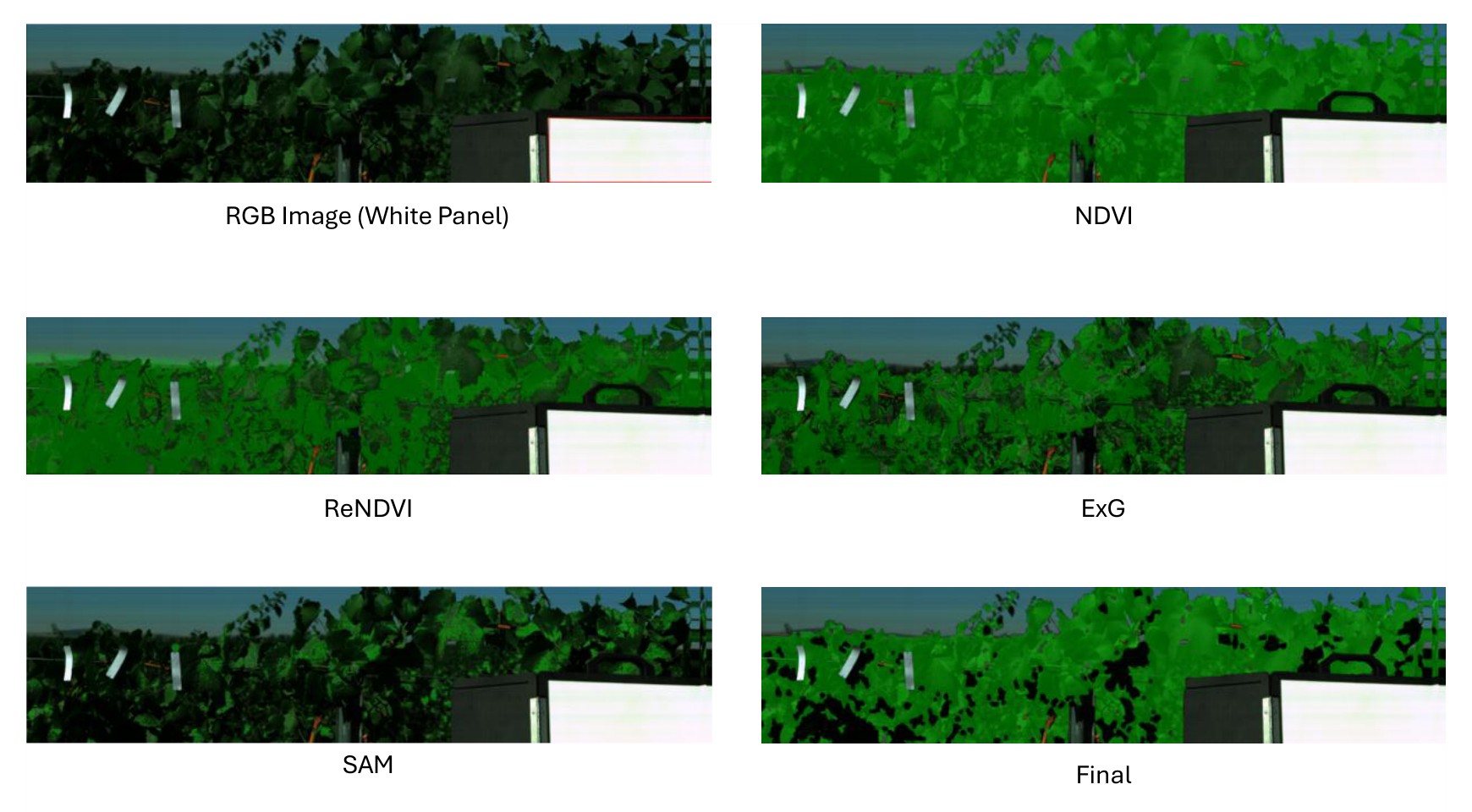
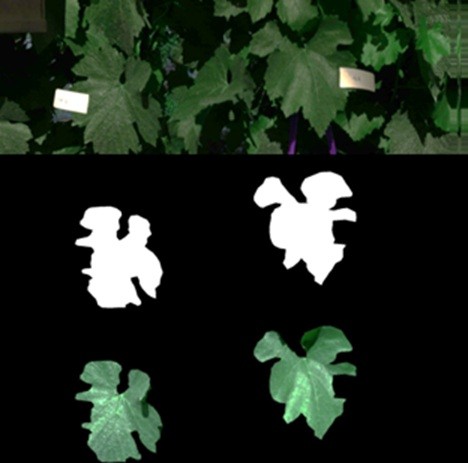
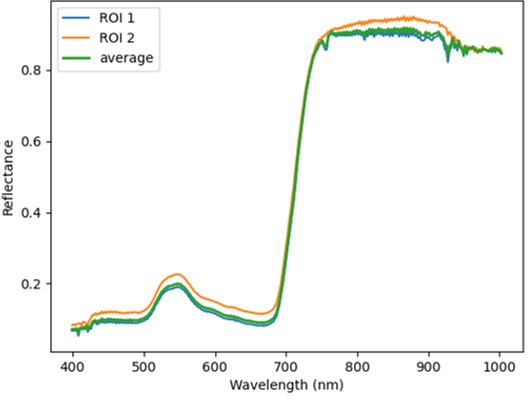
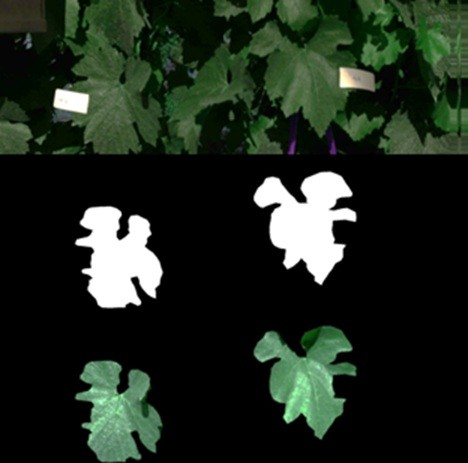
Every hyperspectral scan has to become one clean reflectance spectrum per leaf or per canopy before it's useful for nitrogen modeling. This project builds that extraction pipeline end to end. It starts from a shared radiometric calibration: each pixel's raw digital number is corrected against dark- and white-panel scans and rescaled by the panel's known reflectance, turning raw sensor counts into absolute reflectance before any segmentation happens. At leaf level, each tagged leaf is manually outlined and its pixels averaged into one spectral observation. At canopy level, three complementary pipelines pull the same signal at scale: hand-drawn ROI boxes averaged across sampled leaves; an unsupervised route that auto-detects the white reference panel and fuses NDVI, ReNDVI, Excess Green, and Spectral Angle Mapping into a leaf mask; and a supervised route — a YOLO model trained on the cube's RGB channel — that isolates only sun-exposed leaf pixels for a cleaner canopy average. Together they turn a raw pushbroom cube into the leaf- and canopy-scale reflectance behind the nitrogen models.
Hyperspectral image processingLeaf & canopy segmentationRadiometric calibrationROI-based extractionUnsupervised segmentationSupervised YOLO segmentationSun-exposed leaf detectionNDVI · ReNDVI · ExG · SAMPixel-level reflectancePrecision viticulture
Feature-selection and ML Pipelines to Estimate Grapevine Nitrogen
Asad, A. B., Paudel, A., Kshetri, S., Kang, C., Khanal, S. R., Shcherbatyuk, N., Davadant, P., Schreiner, R. P., Kalauni, S., Karkee, M., & Keller, M.

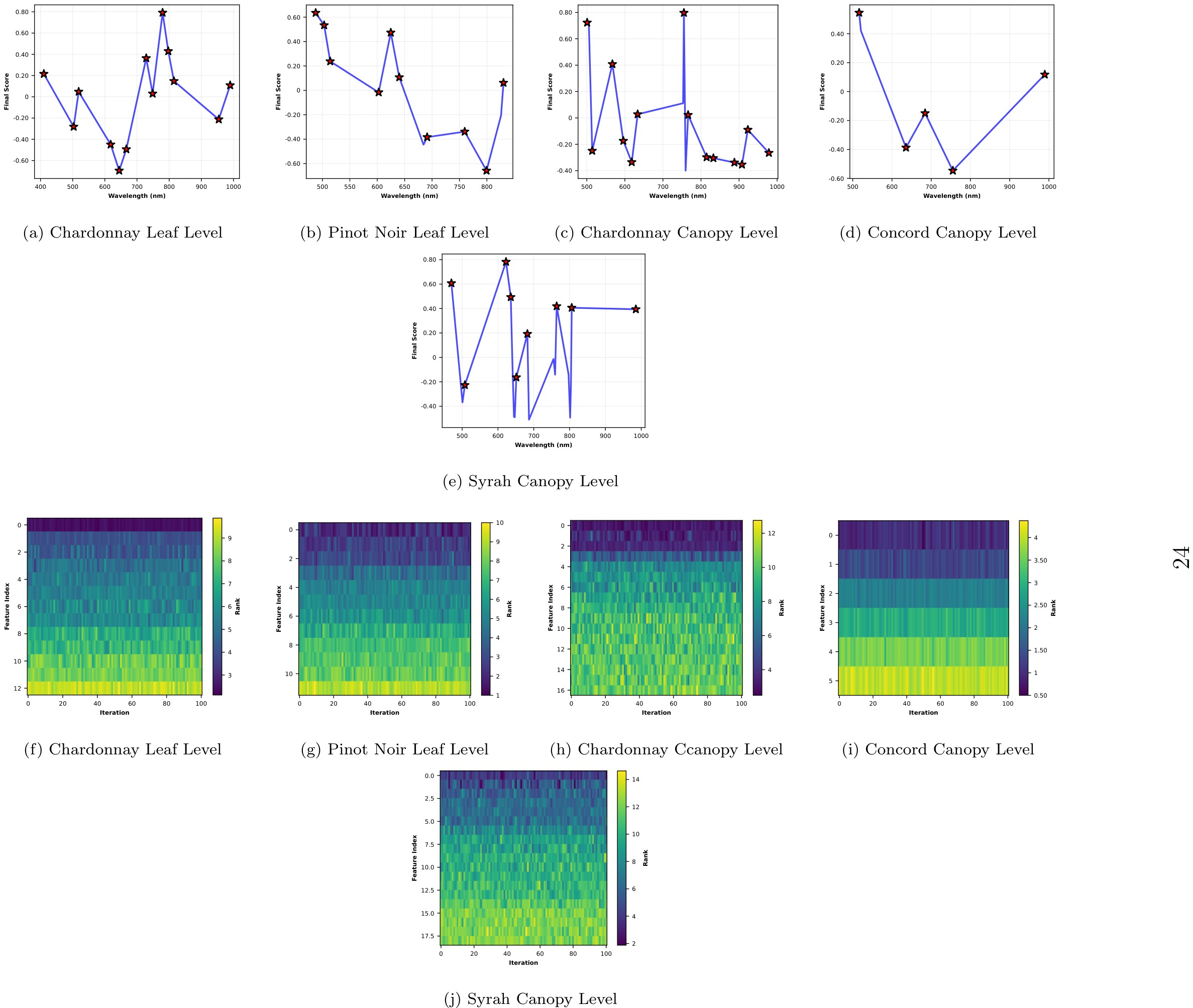
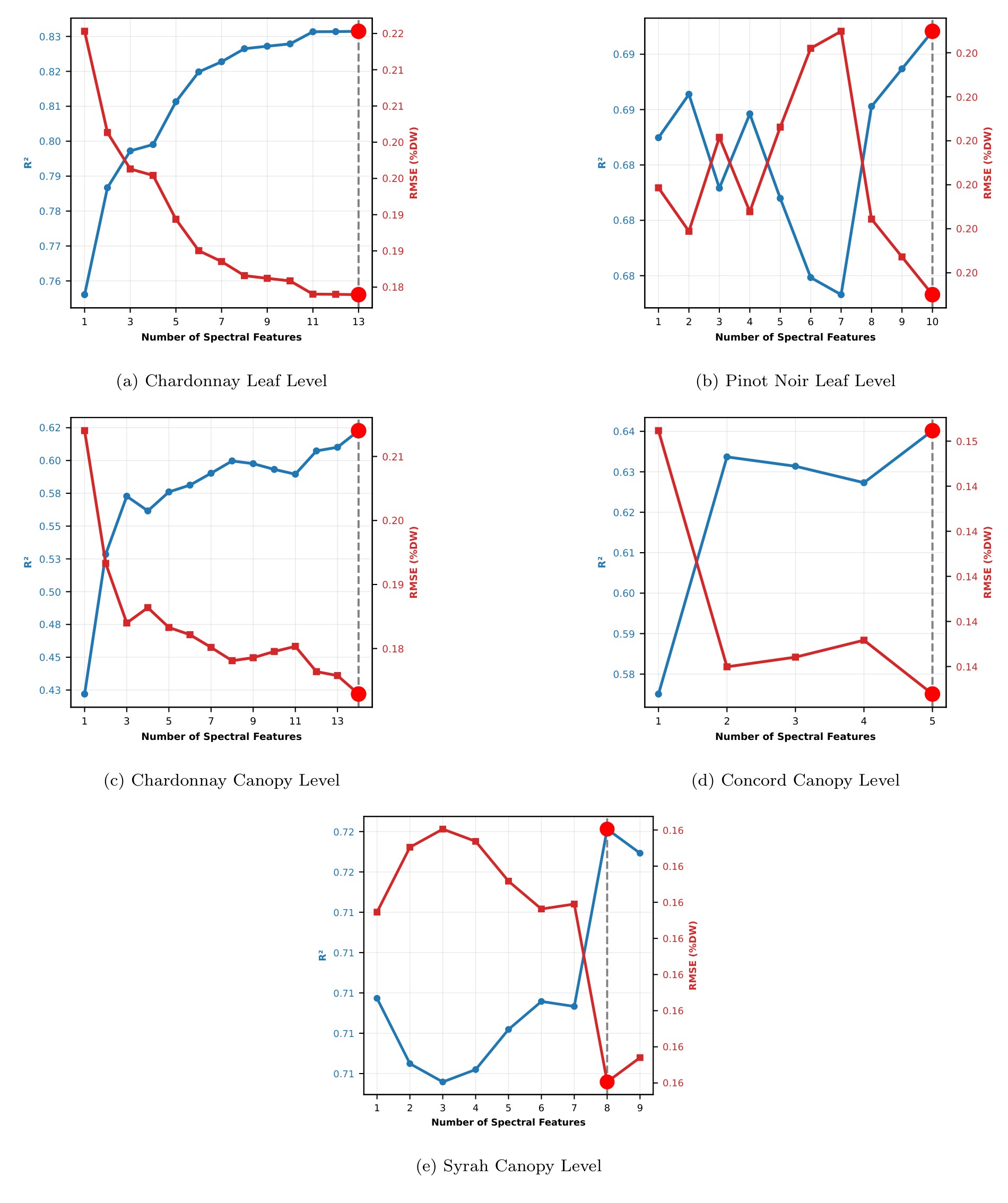
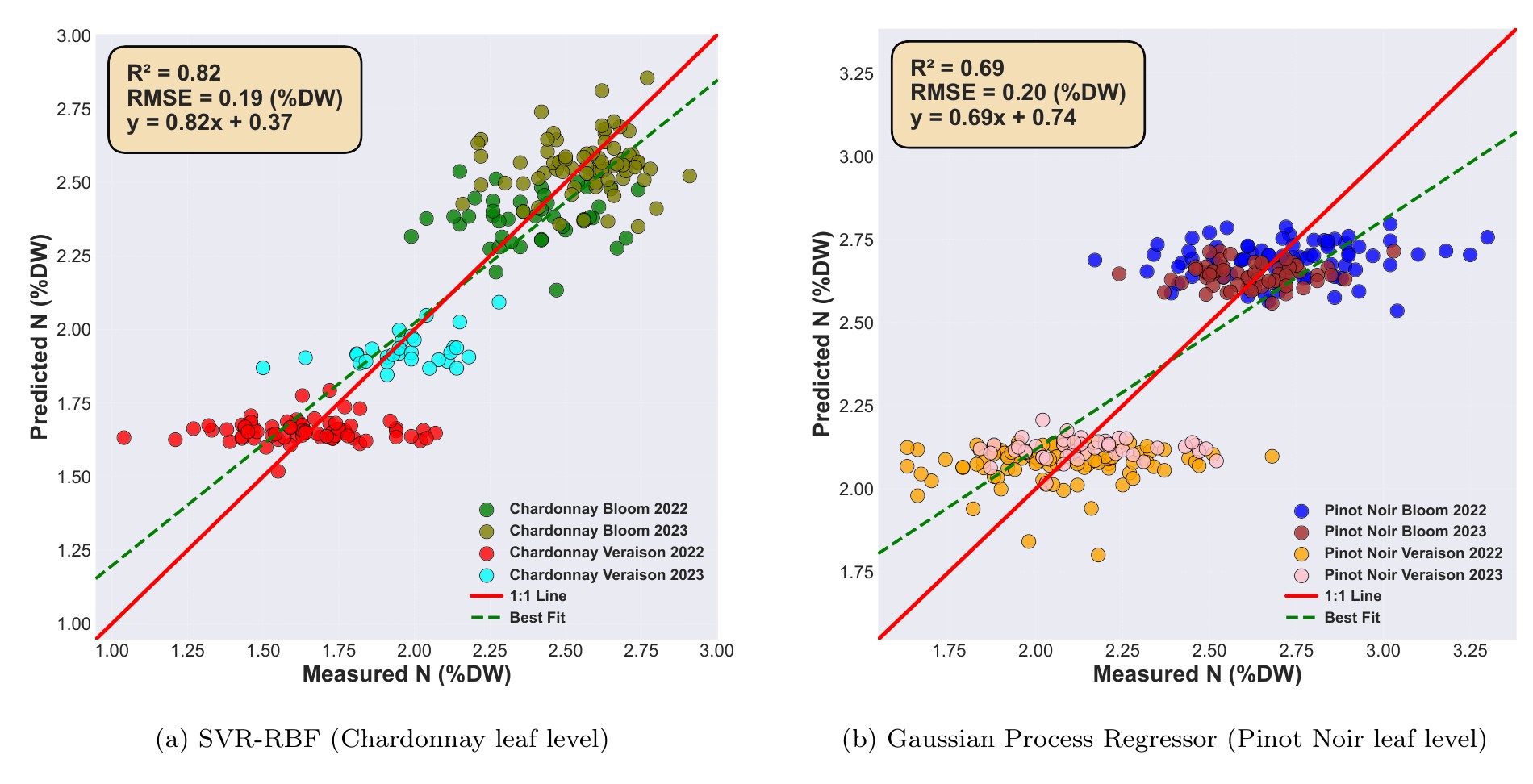
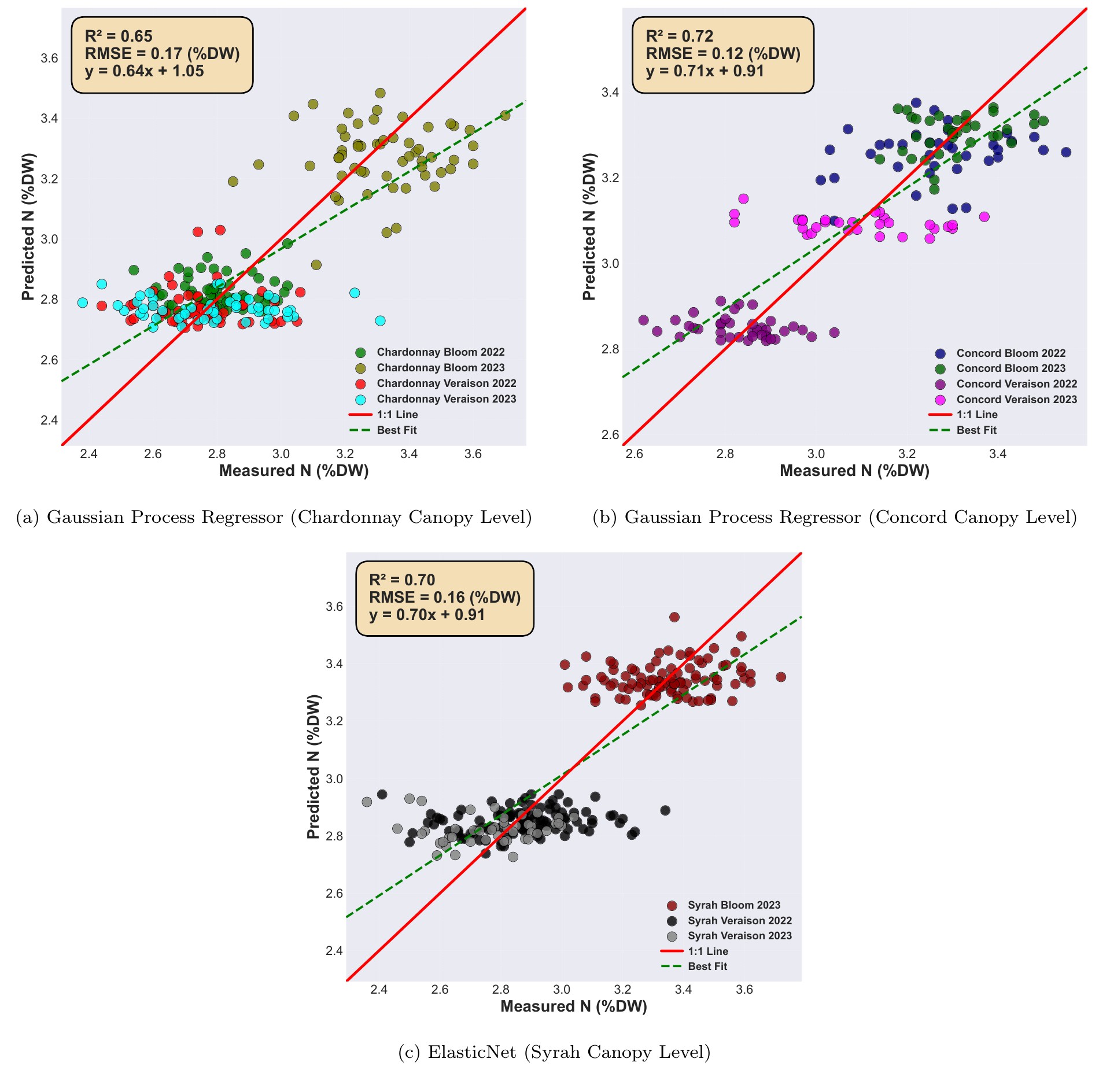
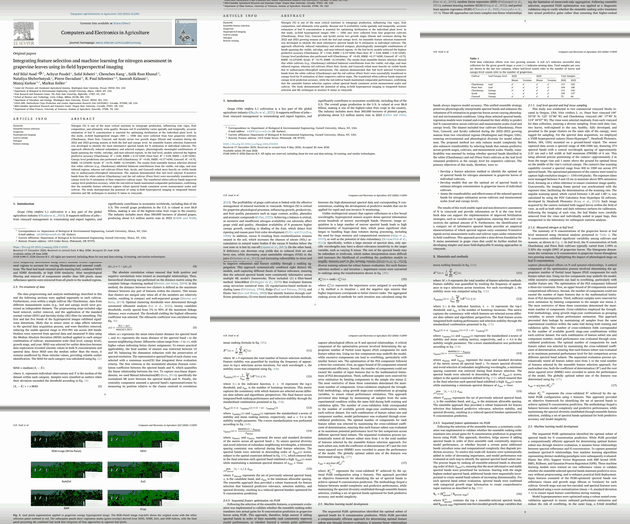
Grapevine leaf nitrogen varies by cultivar, canopy position, and growth stage, so no single spectral index transfers across a vineyard. This project builds that pipeline end to end. Every scan first passes through a radiometric calibration step — dark- and white-reference correction into absolute reflectance, kept consistent across changing field light — before hierarchical clustering and an eight-method ensemble feature selection (SelectKBest, Lasso, Ridge, Elastic Net, Random Forest, Extra Trees, Gradient Boosting, and a Random Frog search) rank and stabilize the wavelengths most sensitive to nitrogen. Validated across four cultivars (Chardonnay, Pinot Noir, Concord, Syrah), two growth stages, and two seasons in commercial Washington and Oregon vineyards, the pipeline collapses 274 hyperspectral bands to as few as 5–14, reaching R² = 0.82 at the leaf level and R² = 0.72 at the canopy level on raw reflectance. Bands selected at the leaf level transferred to canopy-scale prediction with little loss in accuracy — evidence the selected wavelengths track nitrogen physiology rather than measurement scale.
Hyperspectral imagingEnsemble feature selectionGrapevine nitrogenLeaf & canopy scaleVNIR 400–1000 nmRadiometric calibrationPLSR & gradient boostingMulti-cultivar validationLeaf-to-canopy transferPrecision viticulture
Apple-tree Nitrogen Sensing and Autonomous Variable-rate Application
Paudel, A., Brown, J., Biehler, D., Upadhyaya, P., Asad, A. B., Kshetri, S., Davidson, J. R., Grimm, C., Thompson, A., & Karkee, M.

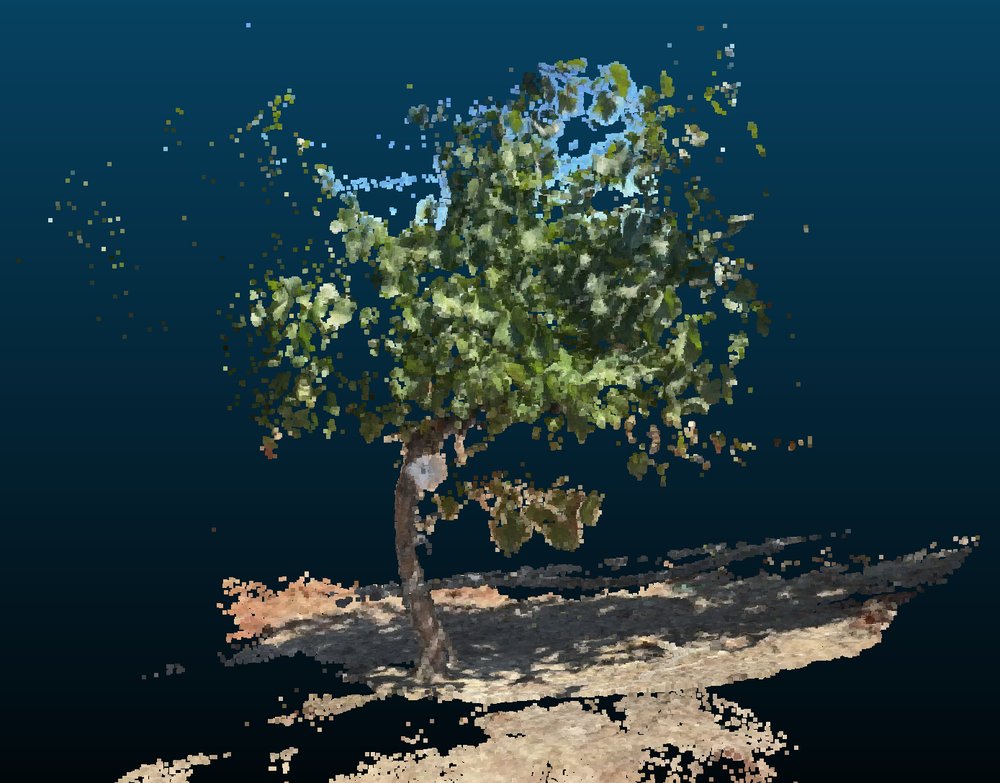
Apple orchards are fertilized block-by-block, yet every tree has its own nitrogen needs. This project closes that gap end to end. On the sensing side, a ground vehicle's RGB-D stereovision scans each tree and a machine-vision pipeline segments the canopy point cloud into green, yellow, and trunk points to compute a yellowness index of fall color — a gradient-boosting model estimates it at R² = 0.72 and identifies roughly the 29th week after bloom as the best window to read a tree's nitrogen status from canopy color. On the action side, an autonomous orchard robot navigates the rows, localizes itself to within half a tree spacing, keeps a per-tree history, and — through an onboard decision-support system built on ROS — delivers a variable, tree-specific rate of liquid nitrogen in real time, validated in both lab and field trials. Together they turn canopy color into a precise, individual-tree fertilization decision.
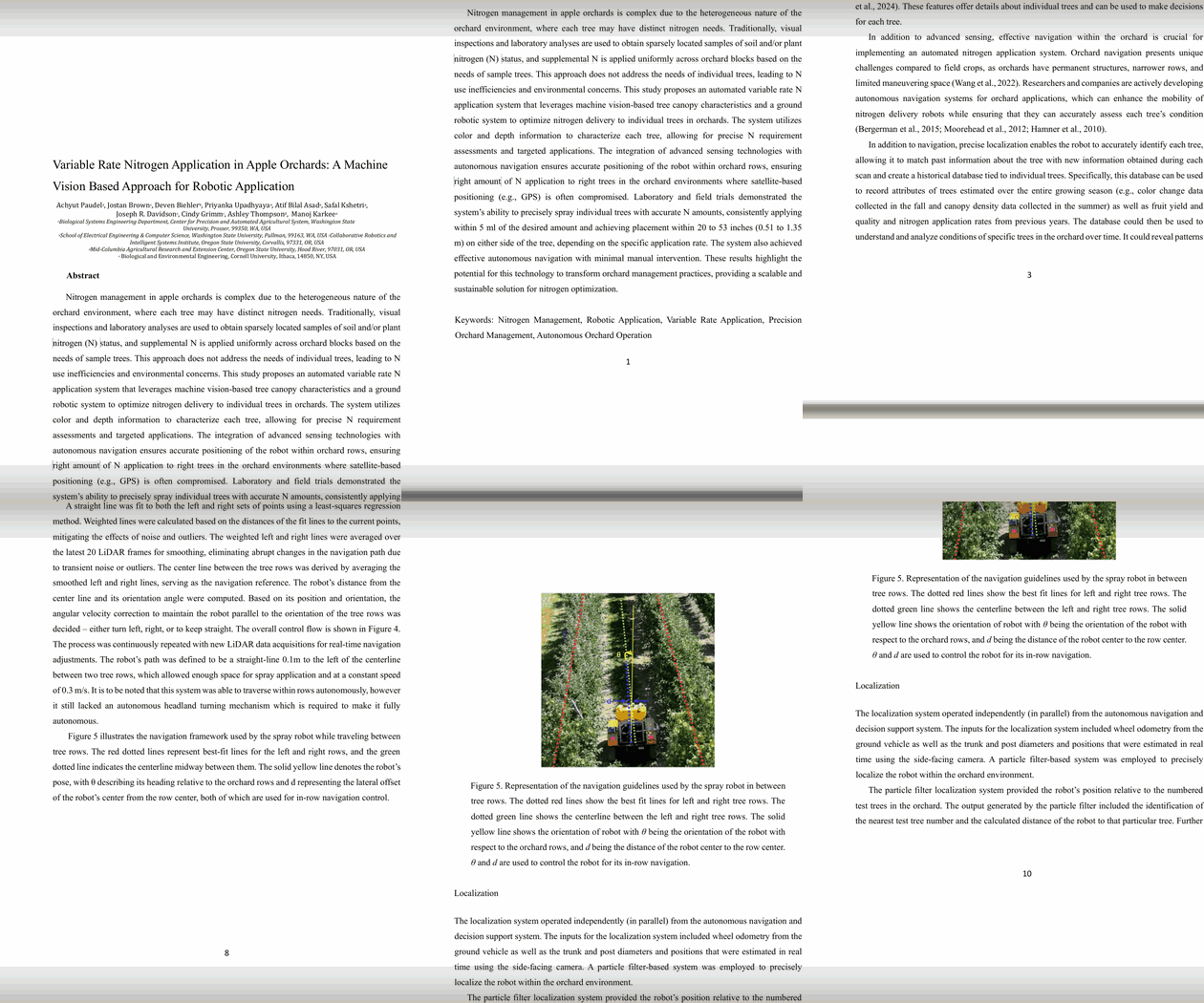
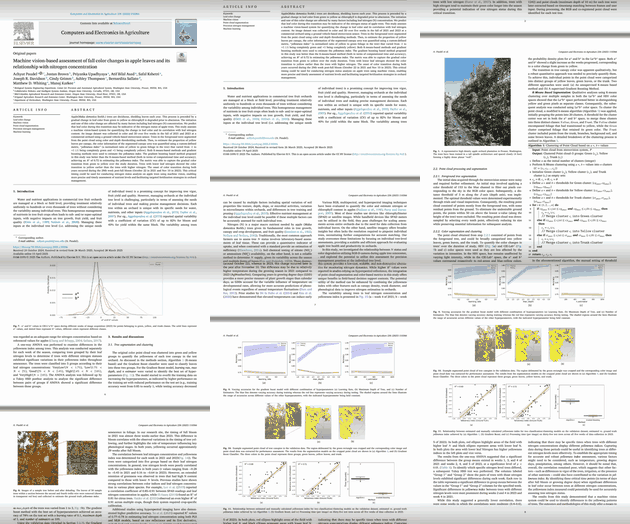
Apple orchardRGB-D point cloudCanopy segmentationYellowness indexFall color → leaf nitrogenGradient boosting (R² = 0.72)Autonomous robotROS navigation & localizationPer-tree decision supportVariable-rate liquid nitrogen
Smartphone-based Vineyard Yield Estimation
Upadhyaya, P., Paudel, A., Asad, A. B., Karkee, M., Shcherbatyuk, N., Keller, M., & Khot, L. R.

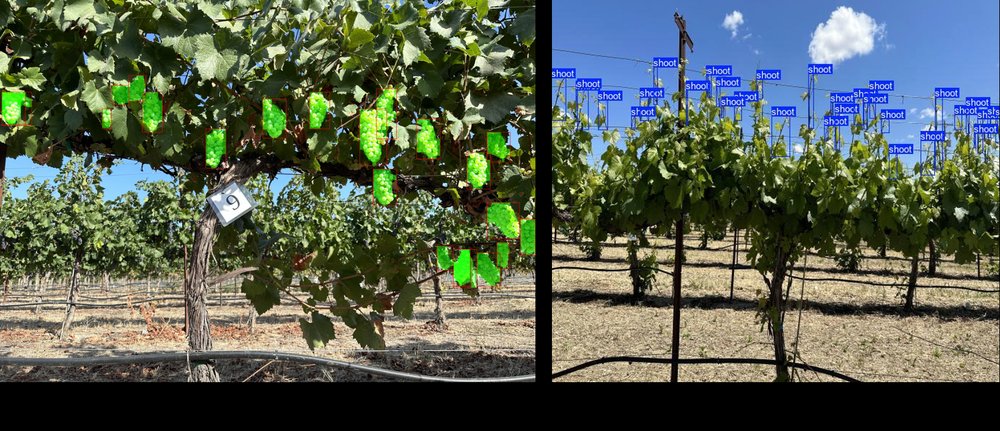
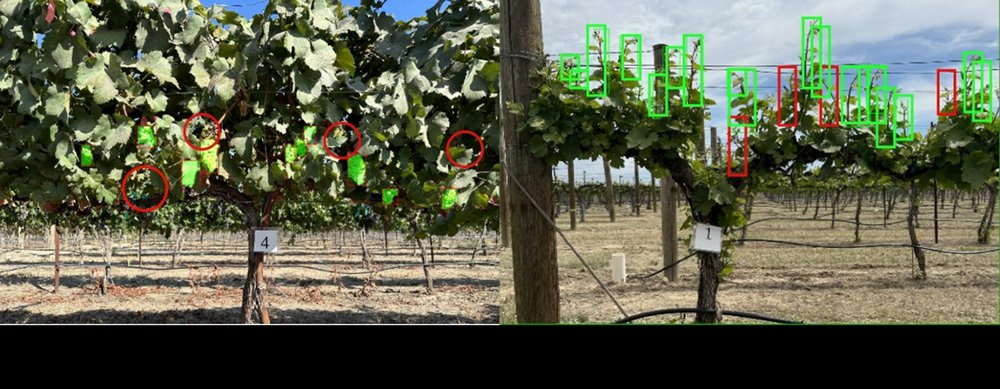
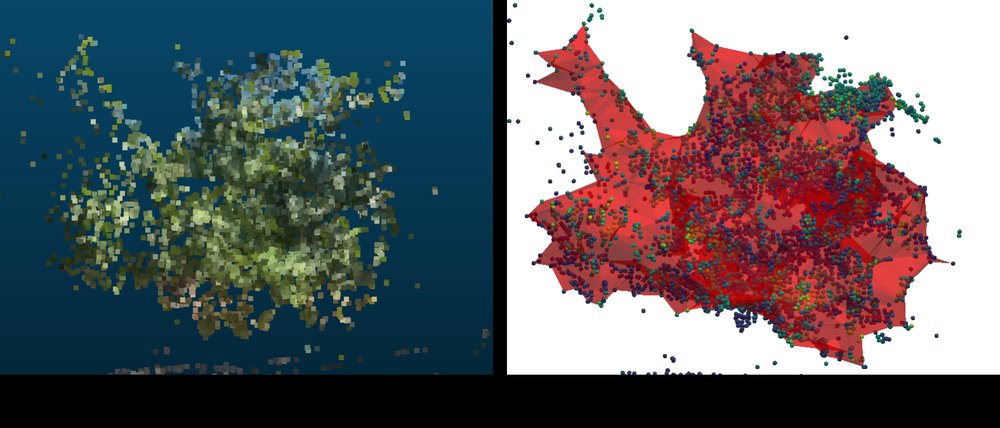
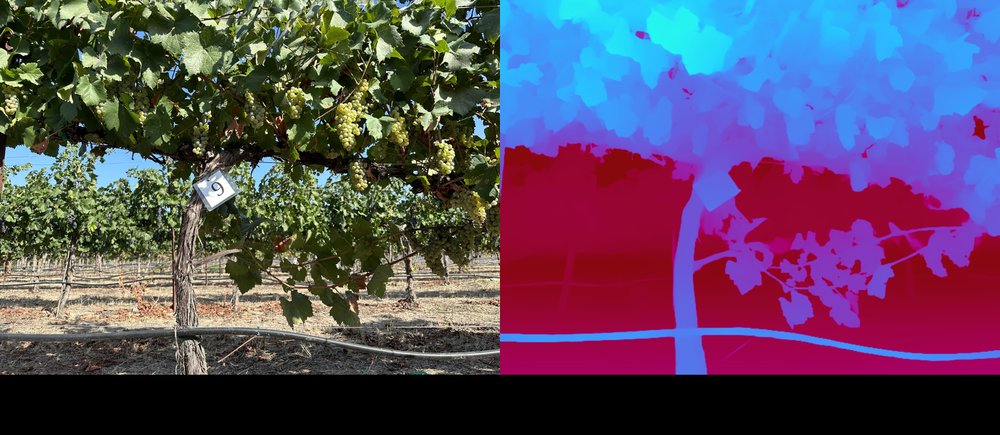
A low-cost yield-estimation pipeline for wine grapes that runs entirely from a smartphone a grower already carries. YOLO11 detects and counts grape clusters and shoots from phone RGB imagery, depth maps give per-cluster surface area, and the phone's LiDAR reconstructs a 3-D point cloud of the canopy to compute canopy volume. Those features — cluster count, canopy volume, neighbouring-vine volume, adjusted surface area, and shoot count — feed a multi-feature linear regression that estimates vine-level yield (R² ≈ 0.52, RMSE ≈ 1.35 kg/vine); aggregated to the block, the prediction landed within ~2–3% of the hand-harvested total, with accuracy improving as more vines were sampled. I contributed to the machine-vision system and data analysis.

Read Chapter 4 (dissertation) →

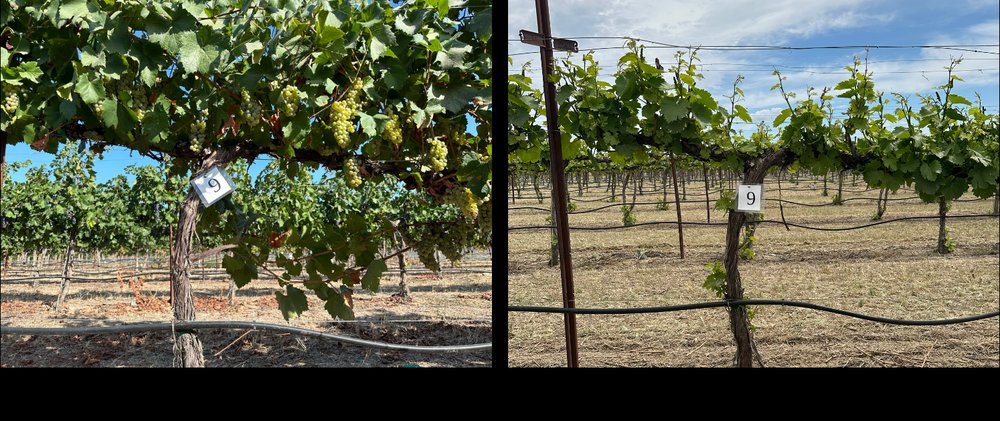
Smartphone imagingYOLO11 detectionInstance segmentationCluster & shoot countingDepth mapsLiDAR 3-D point cloudCanopy volumeMulti-feature linear regressionVine- & block-level yieldLow-cost precision viticulture
Field Campaigns and Multi-site Data Collection
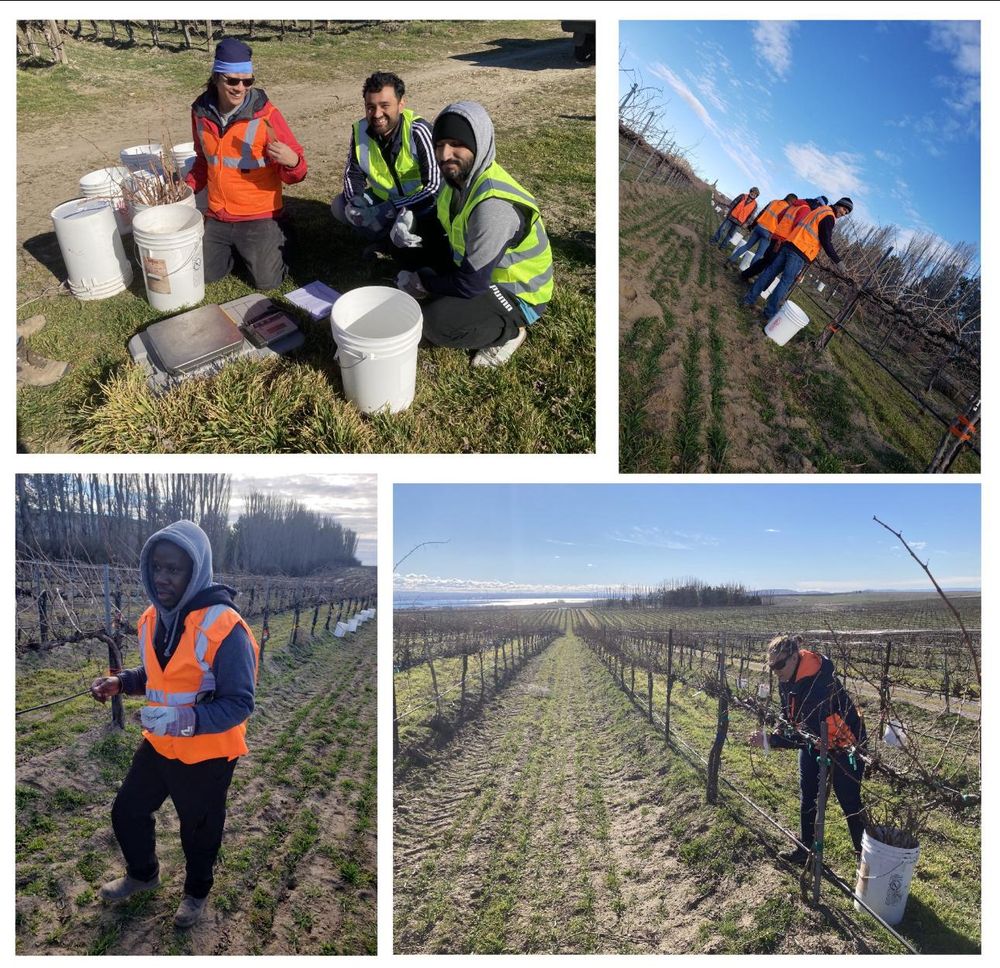
Atif Bilal Asad with the HiRes Vineyard Nutrition field teams (WSU · Cornell · partner vineyards)

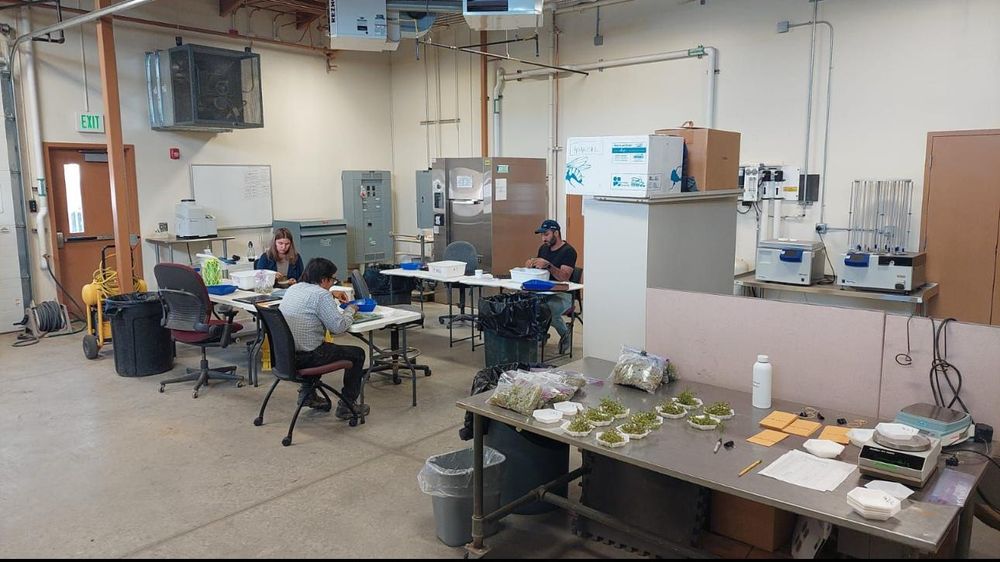
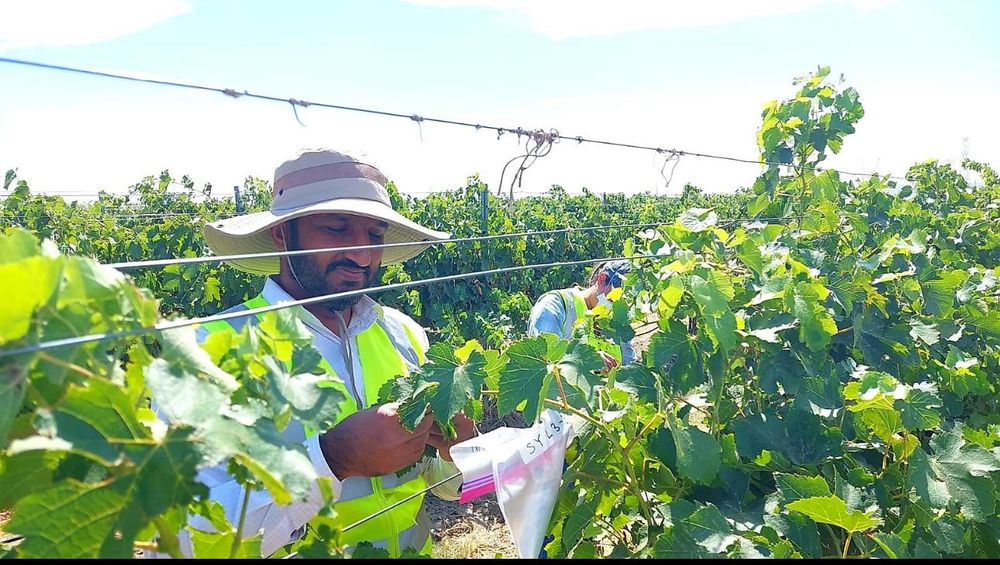
Behind every model is a season in the field. I orchestrated multi-site campaigns across commercial vineyards in Washington, Oregon, and New York — hyperspectral and RGB-D imaging from dormancy through harvest, leaf-tissue sampling and lab processing, and grapevine pruning and hand-harvest.
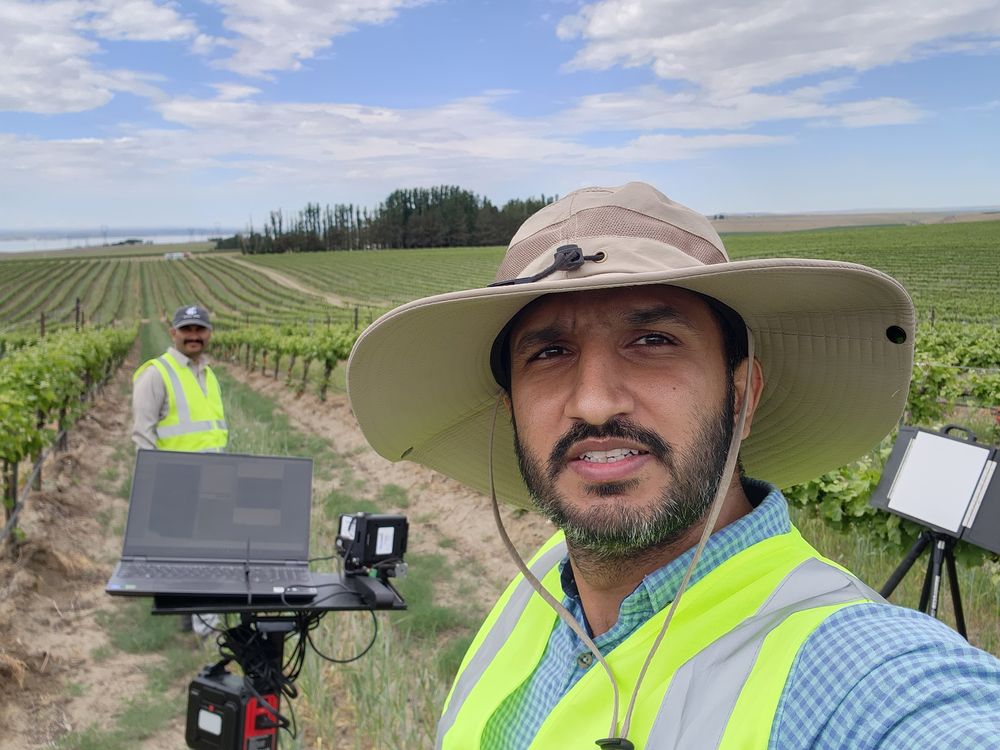
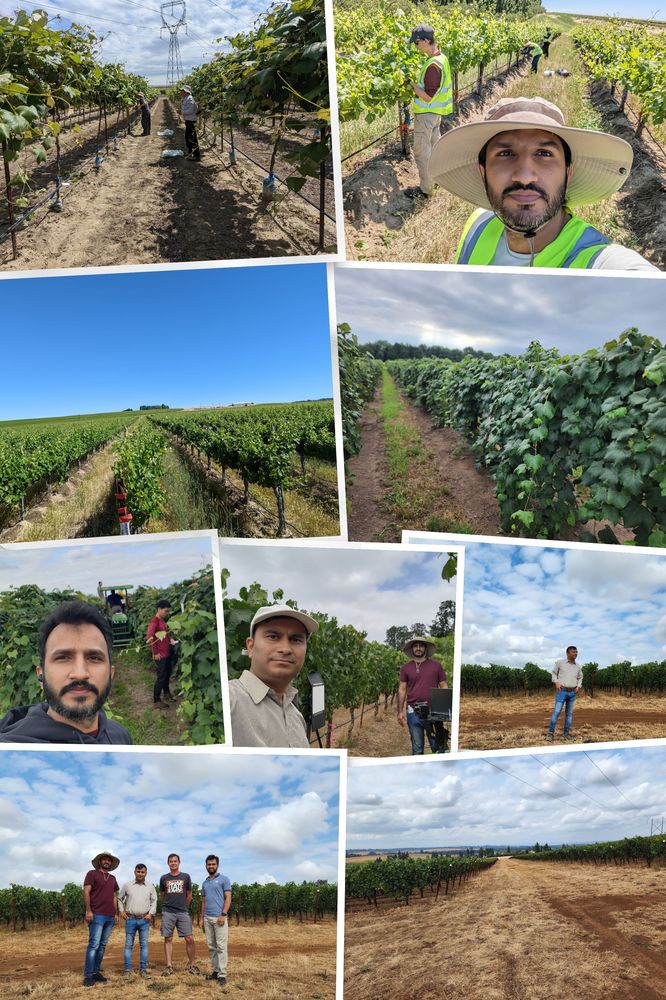
Multi-site campaignsWashingtonOregonNew YorkHyperspectral & RGB-D imagingTissue samplingLab processingPruningHarvestBud break → harvest

Publications

Preview: award-winning ASABE 2026 paper
ASABE Annual International Meeting, Indianapolis, IN · 2026 ★ ITSC Technical Community Meeting Paper Award
Phenologically contextualized deep learning for multi-nutrient prediction in grapevine leaves from in-field hyperspectral imaging
Asad, A. B., Ahmed, D., Shcherbatyuk, N., Davadant, P., Karkee, M., & Keller, M.
Conference paper · 2026
Preview: nitrogen assessment paper
Computers and Electronics in Agriculture, 252, 112093 · 2026
Integrating feature selection and machine learning for nitrogen assessment in grapevine leaves using in-field hyperspectral imaging
Asad, A. B., Paudel, A., Kshetri, S., Kang, C., Khanal, S. R., Shcherbatyuk, N., Davadant, P., Schreiner, R. P., Kalauni, S., Karkee, M., & Keller, M.
Preview: apple leaf nitrogen paper
Computers and Electronics in Agriculture, 236, 110366 · 2025
Machine vision-based assessment of fall color changes in apple leaves and its relationship with nitrogen concentration
Paudel, A., Brown, J., Upadhyaya, P., Asad, A. B., Kshetri, S., Davidson, J. R., Grimm, C., Thompson, A., Sallato, B., Whiting, M. D., & Karkee, M.
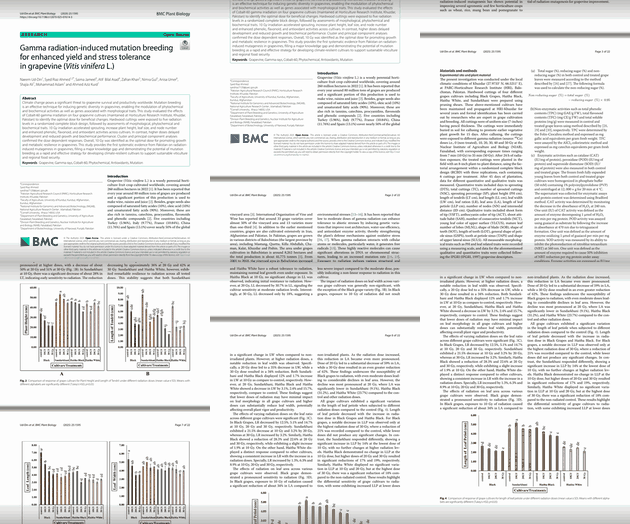
Preview: gamma radiation grapevine paper
BMC Plant Biology, 25, 1595 · 2025
Gamma radiation-induced mutation breeding for enhanced yield and stress tolerance in grapevine (Vitis vinifera L.)
Ud-Din, N., Ahmed, S. R., Jameel, S., Asad, A. B., Khan, Z., Gul, N., Umer, A., Ali, S., Aslam, M., & Kurd, A. A.
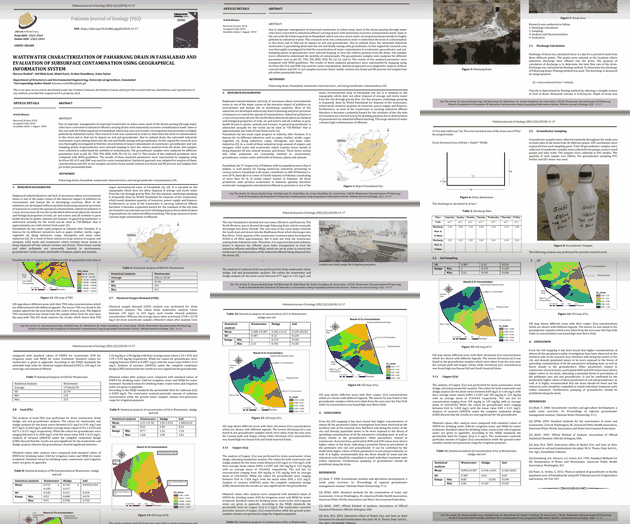
Preview: Paharrang drain GIS paper
Pakistan Journal of Geology, 2(2), 11–17 · 2018
Wastewater characterization of Paharrang drain in Faisalabad and evaluation of subsurface contamination using GIS
Rashid, H., Asad, A. B., Nasir, A., Chaudhary, A., & Sattar, A.
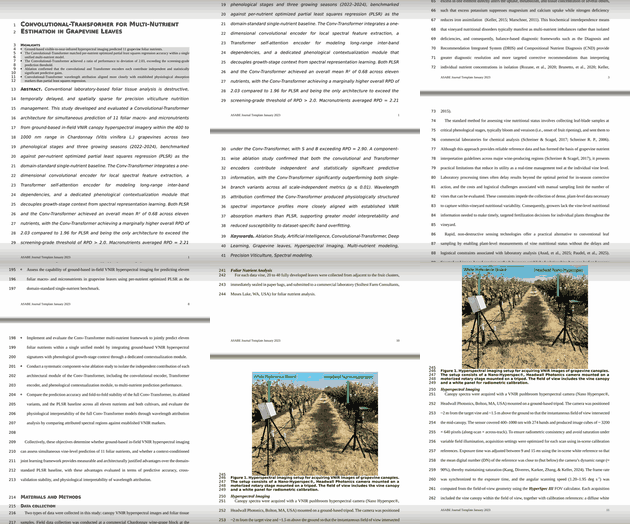
Preview: Convolutional-Transformer paper
Submitted to ASABE Journal · under review
Convolutional-Transformer for multi-nutrient estimation in grapevine leaves
Asad, A. B., Ahmed, D., Shcherbatyuk, N., Davadant, P., Karkee, M., & Keller, M.
Manuscript under review
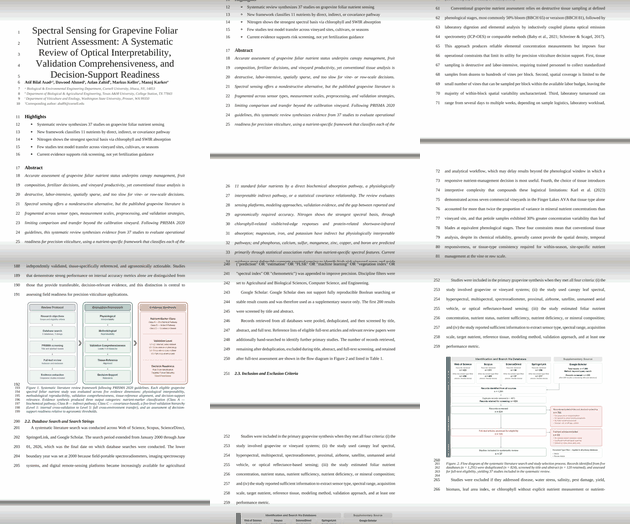
Preview: systematic review paper
Systematic review · submitting 2026
Spectral sensing for grapevine foliar nutrient assessment: a systematic review of optical interpretability, validation comprehensiveness, and decision-support readiness
Asad, A. B., Ahmed, D., Zahid, A., Keller, M., & Karkee, M.
Manuscript finalized · submitting soon
Preview: CANVAS 2024 presentation
Conference presentation · CANVAS 2024
Individual plant-level nutrition management in perennial crops
Paudel, A., Asad, A. B., & Karkee, M.
Preview: robotic variable-rate nitrogen paper
In preparation · 2026
Variable rate nitrogen application in apple orchards: a machine vision-based approach for robotic application
Paudel, A., Brown, J., Biehler, D., Upadhyaya, P., Asad, A. B., Kshetri, S., Davidson, J. R., Grimm, C., Thompson, A., & Karkee, M.
Manuscript in preparation
Preview: yield estimation in wine grapes paper
In preparation · 2026
Yield estimation in wine grapes using mobile device-based imaging and machine learning models
Upadhyaya, P., Paudel, A., Asad, A. B., Karkee, M., Shcherbatyuk, N., Keller, M., & Khot, L. R.
Manuscript in preparation

Experience & Education

Ten years in agricultural engineering.

Jan 2025 – Present
Graduate Research Assistant
Cornell University · Full-time
Ithaca, New York · On-site

Developing advanced computer vision, machine learning, and hyperspectral remote sensing systems for precision agriculture — engineering decision-support tools and automated workflows to optimize grapevine nutrient modeling, robotic pruning, and weed management.

  • Spectral nutrient assessment: modeling grapevine macro- and micronutrient status at leaf and canopy scales using ground-based, in-field VNIR hyperspectral imaging.
  • Geometric & radiometric correction: developing reflectance correction models for pushbroom cameras to remove solar-geometry and rotation artifacts for stable in-field spectral data.
  • Crop-load index modeling: estimating the Ravaz index as a vine-level vigor and crop-load indicator to guide localized nitrogen management.
  • Decision-support & prescriptive systems: building a vine-level nitrogen prescription pipeline that fuses spatial spectral profiles with Ravaz index estimates to drive variable-rate fertilization.
  • 3D-to-2D noisy label correction: designing a noisy-label correction workflow for branch-class masks deprojected from 3D tree skeletons onto 2D frames for robotic pruning.
  • Precision weed automation: engineering a motorized hyperspectral platform to differentiate herbicide-resistant from susceptible waterhemp (Amaranthus tuberculatus).
Sep 2021 – Dec 2024
Graduate Research Assistant
Washington State University · Full-time
Prosser, Washington · On-site

Led computer vision, machine learning, and sensor-fusion research for precision viticulture and orchard management, engineering automated data pipelines and remote-sensing frameworks to optimize crop nutrition and yield estimation under USDA-NIFA funding.

  • Computer vision & image segmentation: deep-learning semantic segmentation to isolate grapevine leaves in hyperspectral imagery, improving leaf/canopy-scale nitrogen retrieval.
  • Spectral ML pipelines: robust feature-selection and ML pipelines to estimate grapevine nitrogen from in-field VNIR imagery across multiple commercial vineyards.
  • Radiometric calibration: field experiments characterizing pushbroom sun-angle artifacts, with a custom reflectance correction model for consistency across light conditions.
  • RGB-D 3D remote sensing: quantifying apple-tree nutrient dynamics via RGB-D point-cloud segmentation to isolate green and yellow foliage.
  • Autonomous field robotics: field-tested a closed-loop autonomous variable-rate nitrogen-application system integrating tree-level RGB-D estimates.
  • Mobile sensor fusion: smartphone vineyard yield estimation integrating YOLO11 detection, LiDAR 3D canopy volume, and multi-feature regression.
  • Technical sub-group leadership: coordinated the engineering sub-group for the multi-institutional HiRes Vineyard Nutrition project and authored reports for a major USDA-NIFA grant.
  • Field campaign operations: orchestrated multi-site campaigns managing high-throughput data collection across hyperspectral/RGB-D sensors, tissue sampling, and yield metrics.
Aug 2018 – Aug 2021
Farm Operations Engineer
Faisal Chicks & Feeds · Full-time
Faisalabad, Punjab, Pakistan · On-site

Managed agricultural engineering operations and automated climate-control systems across multiple high-density production facilities.

  • Automated climate & environment control: programmed and optimized temperature, humidity, and ventilation setpoints to maximize performance and energy efficiency.
  • Sensor networks & monitoring: maintained distributed sensor networks and control panels governing precision feeding, water delivery, and photoperiod lighting.
  • Operations & maintenance leadership: oversaw engineering operations across facilities and coordinated preventative-maintenance teams to minimize downtime.
  • Data-driven performance analysis: analyzed real-time production and environmental data to diagnose faults and tune system parameters.
  • Precision equipment installation: directed installation, calibration, and commissioning of automated agricultural and poultry equipment.
  • Regulatory compliance: enforced biosecurity protocols and regulatory standards across all farm premises.
Mar 2017 – Jul 2018
Field Engineer
AGREX Enterprises & Consultancy · Full-time
Lahore, Punjab, Pakistan

Supervised feasibility, hydraulic design, and execution of high-efficiency drip and sprinkler irrigation networks, modernizing water-use efficiency across regional farming command areas.

  • Hydraulic design & mapping: topographic surveys and pipe-network hydraulic modeling to optimize pressure, flow, and emitter configurations for regional crops and soils.
  • Installation & commissioning: deployed and commissioned solar-powered and conventional HEIS units, including filtration, venturi injectors, and manifolds.
  • Quality assurance: pre- and post-installation inspections verifying compliance with provincial water-management standards and subsidy requirements.
  • Capacity building: delivered farmer training on irrigation scheduling, fertigation, and preventative maintenance for long-term asset sustainability.
  • Project management & reporting: coordinated with government consultants and Water Users Associations to track timelines and submit engineering field reports.
Jul 2016 – Dec 2016
Agricultural Finance Officer
Habib Bank Limited · Full-time
Shahkot, Punjab, Pakistan · On-site

Managed a high-value agricultural credit and microfinance portfolio across rural branches, driving lending growth while maintaining strict asset quality and regulatory compliance.

  • Portfolio & limit management: structured agricultural credit proposals and seasonal crop-loan limit lines for rapid, seamless disbursement.
  • Credit evaluation & due diligence: pre-sanction field inspections and verification of land-revenue records (Fard, Khasra, Mutation) to mitigate default risk.
  • Business development: rural market-penetration strategies and relationships with farmers, dealers, and local councils to generate quality leads.
  • Recovery & asset remediation: managed mark-up recovery, limit renewals, and follow-up on non-performing accounts to keep the portfolio healthy.
2014 – 2017
M.S. — Agricultural Engineering
University of Agriculture Faisalabad (UAF), Pakistan

Thesis: wastewater characterization and GIS-based subsurface contamination mapping.

2009 – 2014
B.S. — Agricultural Engineering
University of Agriculture Faisalabad (UAF), Pakistan

Awards & Honors

ITSC Technical Community Meeting Paper Award
ASABE · 2026
Conference Travel Grant
The Graduate School, Cornell University · ASABE AIM, Indianapolis, IN · 2026
Presentation Excellence Award
ASABE Annual International Meeting, Anaheim, CA · 2024
Graduate Student Award
Washington State University · 2023
Travel Grant
Dept. of Biological Systems Engineering, WSU · 2023
Overseas Ph.D. Scholarship (fully funded)
Higher Education Commission of Pakistan · merit-based · 2021
FAA Part 107 Remote Pilot Certificate
UAS Operations · Active

Connect

Open to collaboration & research.

I'm open to research collaborations, industry partnerships, and new projects in sensing and precision agriculture. Feel free to reach out — email works best.